Teafloor logo

Free shipping for purchase of ₹450 and above      A Venture by Budwhite Teas Pvt Ltd

+91 79 8321 1566 | Wholesale Enquiry

Does Tea Expire? What Every Tea Drinker Should Know

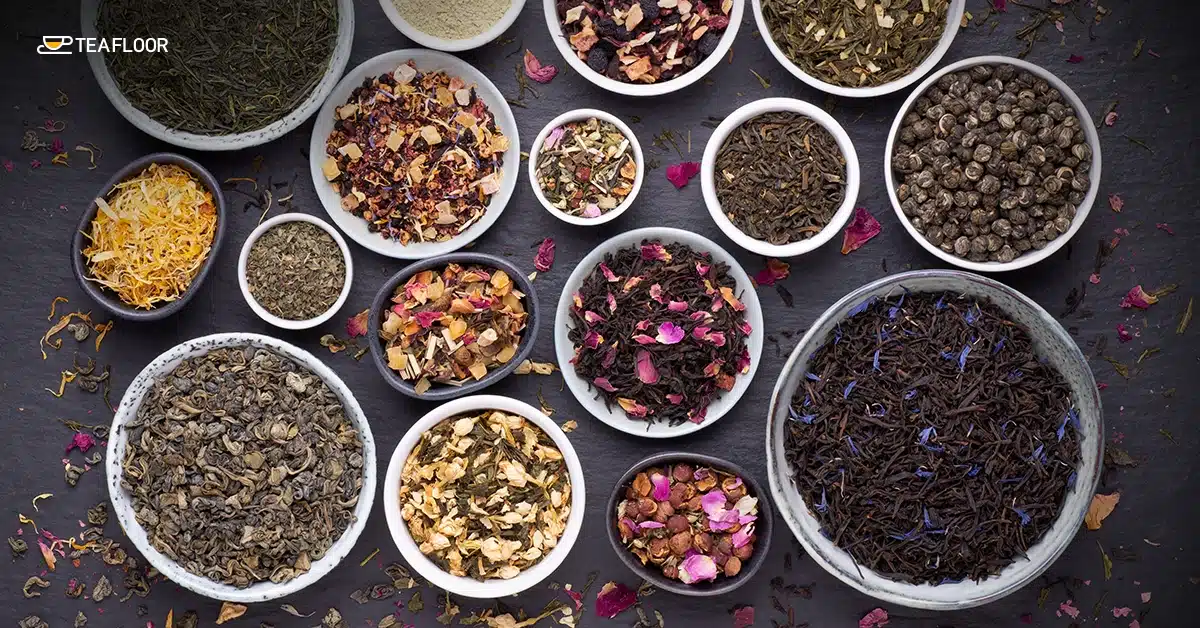
A variety of dry loose leaves in small ceramic bowls to test if tea expires over time

Found an old tin of tea at the back of your cupboard? Before you throw it away, take a look at the leaves. You may be surprised to know that tea doesn’t automatically become unsafe just because it is old or has passed the date printed on the pack.

With dried tea, there is a difference between losing freshness and actually going bad. Old tea may taste flat or lose its aroma, while tea that has picked up moisture or developed mould is a different story.

So, does tea expire? Not in the same way as fresh foods do. Here’s how to tell whether your old tea is still okay to brew and when it’s better to throw it away.

Quick Takeaway: Does Tea Expire?

  1. Old tea isn’t automatically unsafe: A best-before date doesn’t necessarily mean the tea becomes unsafe on that exact day.
  2. Tea can lose its freshness: Older tea may have less aroma and a weaker or flatter taste.
  3. Moisture is a bigger concern: Tea that has become damp can spoil and should not be used.
  4. Check the tea before brewing: Mould, an unusual smell, damp leaves or other clear signs of spoilage mean it’s time to throw it away.

Does Tea Expire? The Simple Answer

Dried tea is quite different from foods such as milk, meat or fresh produce. When tea is properly dried and kept dry, there is very little moisture available for many types of microorganisms to grow.

But that doesn’t mean tea stays exactly the same forever.

Over time, tea can lose some of its aroma and flavour. You might open an old packet and find that the leaves smell much weaker than they used to. Brewed tea may also taste flat or less enjoyable.

So if you find an old packet in your cupboard, don’t judge it by its age alone. Look at the condition of the tea, smell it and check whether it has been exposed to moisture.

What Does the Date on Tea Mean?

The date printed on a tea package can be confusing.

A best-before date is generally about quality. It indicates the period when the product is expected to retain its intended taste and quality. It isn’t necessarily an exact date when the tea suddenly becomes unsafe.

You can also read the USDA guide to food product dating for more information about how food date labels work.

Can You Drink Tea After the Best-Before Date?

In many cases, yes. If the tea has been kept dry and there are no signs of spoilage, being past the best-before date doesn’t automatically mean you need to throw it away.

The first thing you may notice is a change in taste. The tea might not have the same aroma it once did, or the brewed cup may seem weaker and less flavourful.

That’s usually a freshness issue rather than an indication that the tea has suddenly become unsafe.

Still, don’t ignore what you see and smell. If an old packet has been exposed to moisture or looks contaminated, it’s better not to use it.

Does Tea Actually Go Bad?

Yes, tea can go bad.

The age of the tea isn’t usually the main problem. The bigger issue is what happened to it while it was sitting in storage.

A sealed packet kept somewhere dry is very different from a packet that has been left open in a humid kitchen. Once moisture gets into dried tea, the risk of spoilage goes up.

That’s why stale tea and spoiled tea aren’t the same thing.

Stale Tea vs. Spoiled Tea

Understanding the difference between stale tea and spoiled tea is crucial for both flavor and safety. While older tea leaves might lose their rich aroma over time, they aren’t necessarily dangerous to consume. Use the comprehensive comparison table below to quickly identify if your tea has simply lost its freshness or if it has become unsafe to drink.

Feature Stale Tea Spoiled Tea
Definition Lost its freshness and flavor over time. Damaged by moisture, mold, or bacteria.
Aroma / Smell Very weak or has no aroma at all. Musty, sour, damp, or unusual smell.
Appearance Leaves look normal but dry and faded. Visible mold, dampness, or clumping.
Taste Profile Tastes flat, weak, or paper-like. Unpleasant, bitter, or completely off.
Safety Status Safe to drink, just less enjoyable. Unsafe. Do not brew or consume.

How to Tell If Tea Has Gone Bad

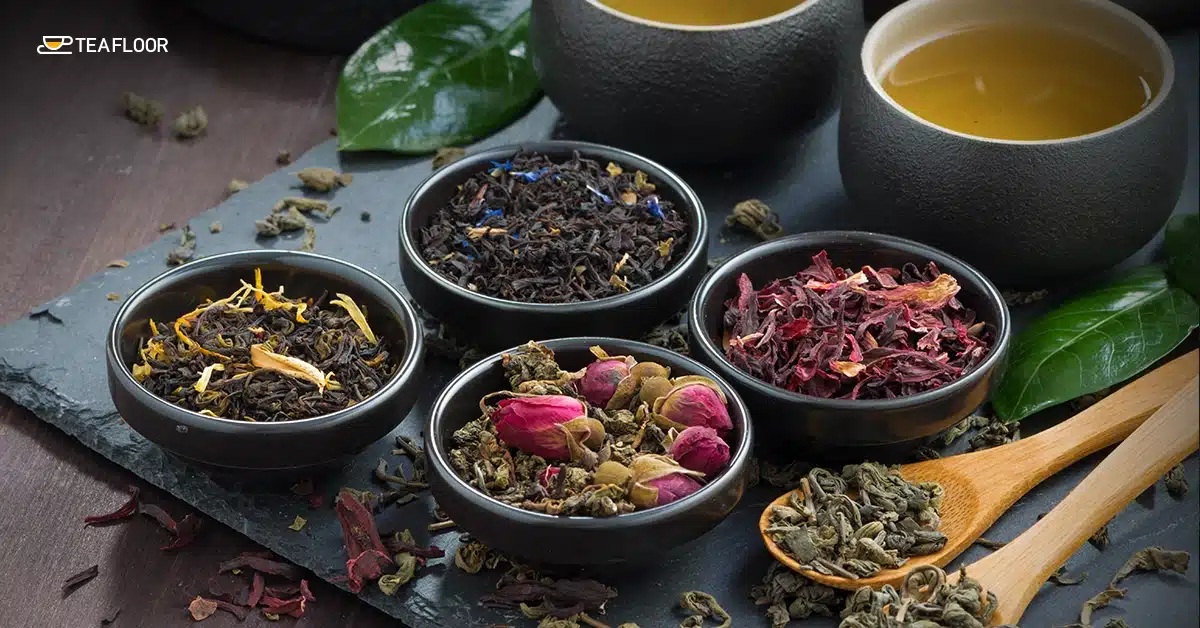
A top view of various colorful dry herbs and ingredients arranged neatly in small wooden spoons and ceramic bowls on a dark rustic surface

Not sure about that old tea sitting in your cupboard? Give it a quick check before you put the kettle on.

Here are the main signs to look for.

1. You See Mould

If you see mould on the tea, don’t use it.

Mould can appear as unusual fuzzy growth or spots that weren’t part of the original tea or ingredients. Don’t try to remove the affected leaves and save the rest. If you can see mould, discard the tea.

2. The Leaves Feel Damp

Tea leaves should be dry.

If the leaves feel damp, sticky or unusually soft, moisture may have got into the package. You may also notice that the leaves have started sticking together or forming clumps.

That’s a good reason to throw the tea away.

3. It Has a Strange Smell

Give the tea a smell before brewing it.

If it smells musty, sour, damp or simply “off,” don’t ignore it. Tea can also pick up strong smells from other foods, but if the odour seems unusual for that particular tea, it’s safer not to use it.

4. The Tea Looks Different

Take a close look at the leaves and any other ingredients in the blend.

Unexpected spots, unusual discoloration or visible contamination can be signs that something has gone wrong. If you’re not sure why the tea looks different, it’s better to leave it alone.

5. It Has Lost Almost All Its Aroma

This one is usually about quality rather than safety.

Older tea can lose much of its aroma over time. If the leaves have become very faint-smelling but are still dry and look normal, they may simply be stale.

If the tea is dry and has no obvious signs of spoilage, it may simply be a matter of whether you still like the taste and aroma. But never taste tea that shows signs of mould, moisture or spoilage to see if it is safe.

Can Old Tea Make You Sick?

Simply being old doesn’t automatically mean tea will make you sick. The concern is whether the tea has been spoiled or contaminated.

For example, tea that has absorbed moisture and developed mould should not be consumed. The same applies to tea that has an obvious spoiled or unusual smell.

If you’re unsure whether an old packet has been affected by moisture or contamination, don’t taste it to find out. Throwing it away is the safer choice.

Does Tea Go Bad After Opening?

Opening a packet doesn’t make tea unsafe straight away. But once the package is open, the leaves are exposed to air and whatever is around them.

Over time, repeated exposure to air, humidity, light and strong kitchen smells can affect the tea’s quality.

This is why an opened packet can slowly lose its aroma and taste, even when the tea still looks perfectly normal.

Does This Apply to Tea Bags and Loose Leaf Tea?

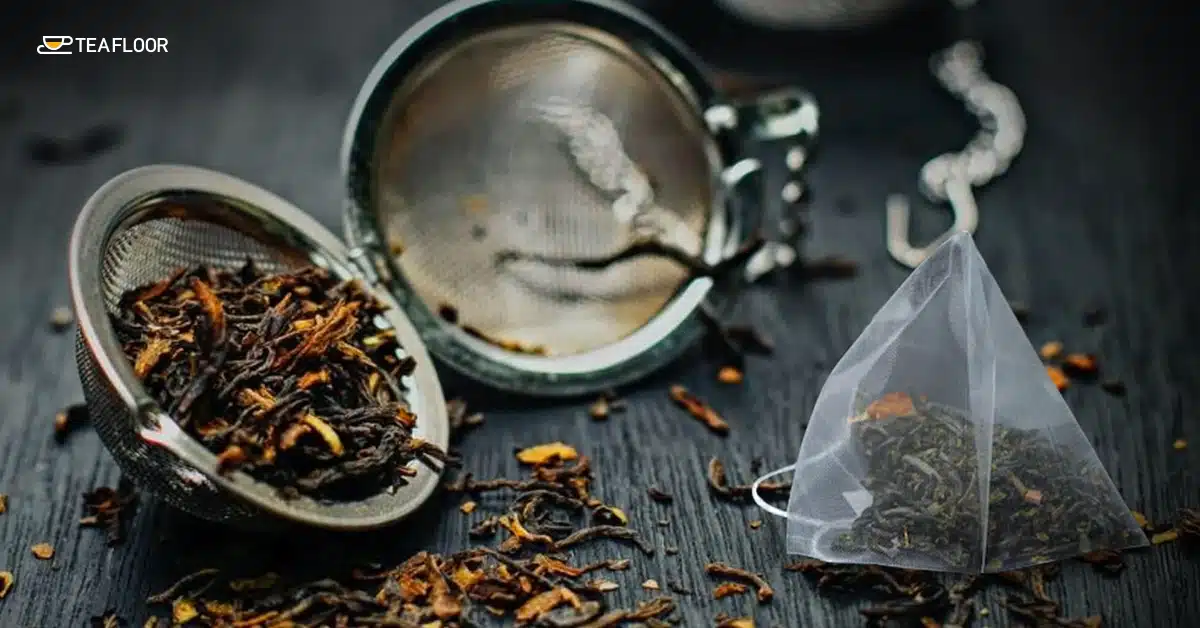
A side by side shot of black tea inside a metal mesh infuser and a single pyramid sachet to compare their freshness

The same basic rule applies to both tea bags and loose leaf tea.

Tea bags often contain smaller tea particles, so they can lose their aroma fairly quickly when exposed to air. Loose leaf tea can also become stale when it isn’t stored well.

But neither one automatically becomes unsafe just because it is old.

Check for the same things: moisture, mould, unusual smells and visible changes.

If you’d like to know more about tea bags, take a look at our guide on everything you need to know about tea bags.

What Happens When Tea Gets Old?

Old tea doesn’t always look dramatically different. In many cases, you notice the change when you open the packet or make a cup.

The tea may:

  • Have a much weaker aroma.
  • Taste flat or less flavourful.
  • Lose some of the character it had when it was fresh.
  • Smell less noticeable than you remember.

These changes don’t necessarily mean the tea has spoiled. They are often just signs that the tea has lost freshness.

What Can Make Tea Go Bad?

freshly brewed hot beverage in a transparent cup next to a steaming glass teapot on a rustic wooden table with fresh green herbs

How you store tea can make a big difference to its condition.

Moisture

Moisture is one of the biggest problems for dried tea.

Keep tea away from water, steam and humid areas. Once the leaves become damp, they can spoil.

Air

Air exposure can gradually affect the aroma and flavour of tea. Keeping the package properly closed helps slow this down.

Light and Heat

Strong light and heat can affect tea quality over time. A cool, dark cupboard is a better choice than a sunny windowsill or a spot next to the stove.

Strong Smells

Tea can absorb smells from its surroundings. If you keep it next to strong-smelling spices, coffee, garlic or other foods, those smells can end up affecting the tea too.

How to Store Tea After Opening

You don’t need anything complicated to look after an opened packet of tea.

1. Keep It Properly Sealed

Close the original packaging properly or move the tea into a clean, airtight container. The goal is to keep air and moisture out as much as possible.

If you need jars, infusers or other tea accessories, you can explore our collection of premium teaware accessories.

2. Pick a Dry, Cool Place

A cupboard away from the sink, kettle, stove and other sources of steam is a good place to keep tea.

3. Keep It Out of Direct Light

Avoid leaving tea on a sunny shelf. A dark cupboard or opaque container is a better option.

4. Keep It Away From Strong-Smelling Foods

Don’t store tea right beside spices, coffee, garlic or anything else with a strong smell. The tea can pick up those aromas.

Should You Throw Away Old Tea?

Not every old packet needs to go straight into the bin.

If the tea is dry, looks normal and smells normal, its age alone doesn’t necessarily mean it has gone bad. It may simply have lost some of its freshness.

On the other hand, don’t take chances with tea that has mould, moisture, a strange smell or other obvious signs of spoilage.

If it looks or smells wrong, throw it away.

So, Does Tea Expire?

Tea doesn’t have a simple rule where it becomes unsafe as soon as the date on the package passes.

An old packet of tea may simply have lost some of its aroma and flavour. What matters is its condition. If it has stayed dry and looks and smells normal, it may still be fine to brew.

But if you see mould, notice moisture or get a strange smell when you open the packet, don’t risk it. Throw it away and start with a fresh pack instead.

If you’re ready for a fresh cup, you can explore our premium organic green tea or premium white tea.

FREQUENTLY ASKED QUESTIONS

Does tea expire if it remains unopened? +

Can you drink tea after the expiration date? +

Does dry tea expire? +

Can tea bags go bad? +

Can loose leaf tea go bad? +

Should I drink tea that smells strange? +

Is tea still good if it has lost its smell? +

The Best Tea for Diabetes: A Complete Guide

A Complete Guide for Diabetics

If you or someone you love is managing diabetes, you already know that everyday choices — what you eat, how you move, and even what you sip — can make a real difference. One of the simplest, most comforting habits to build into a daily routine is a thoughtfully brewed cup of tea for diabetes. Across Ayurveda and modern wellness alike, certain teas and herbs have long been valued for their ability to support balanced blood sugar.

In this complete guide, we’ll explore why diabetes tea has earned a place in so many wellness routines, break down 14 of the most powerful blood-sugar-friendly ingredients, and show you exactly how to brew and enjoy them. Let’s steep into it.

Can Tea Really Help Manage Diabetes?

Tea for diabetes

Let’s set honest expectations first. Tea is not a cure for diabetes, and it is not a replacement for prescribed medication, a balanced diet, or your doctor’s guidance. What the right tea can do is act as a gentle, complementary part of a healthy lifestyle.

Many herbs traditionally used in diabetic-friendly teas contain plant compounds — polyphenols, antioxidants, and active phytochemicals — that research suggests may help in several ways:

  • Supporting the body’s natural insulin sensitivity
  • Slowing the absorption of sugar after meals
  • Reducing oxidative stress, a common concern in diabetes
  • Helping curb sugar cravings

Think of a good cup of tea as a supportive teammate — not the whole game. When paired with mindful eating and regular activity, it becomes a small daily ritual that works with your health goals.

14 Powerful Ingredients in the Best Tea for Diabetics

The best teas for diabetics often blend several time-tested herbs, each bringing its own strength. Here’s a closer look at 14 standout ingredients and why they belong in your cup.

1. Green Tea for Diabetes

Loose leaf green tea rich in antioxidants

A wellness classic, green tea is rich in a powerful antioxidant called EGCG. It is widely studied for supporting metabolism and may help the body use insulin more efficiently. Naturally light and refreshing, it makes an excellent everyday base for any diabetic-friendly blend.

2. Gymnema Sylvestre in Tea for Diabetes

Herbal tea for diabetes support

Known in Ayurveda as “gurmar” — literally “sugar destroyer” — Gymnema is one of the most celebrated herbs for blood sugar support. It is traditionally believed to help reduce sugar cravings and may support healthy glucose levels by influencing how sweetness is absorbed.

3. Vijaysar in Tea for Diabetes


Green tea for diabetes patients

(Indian Kino tree) is a cornerstone of Ayurvedic blood sugar care. Often used in the form of wooden tumblers or bark, it is valued for its ability to support healthy glucose metabolism and is a frequent ingredient in traditional anti-diabetic preparations.

4. Cinnamon in Tea for Diabetes

Dried cinnamon sticks and powder

Warm, sweet, and aromatic, cinnamon does more than add flavor. Several studies suggest it may help improve insulin sensitivity and support steadier post-meal blood sugar. A pinch goes a long way in making your tea both delicious and beneficial.

5. Jamun Seed in Tea for Diabetes

Dried jamun seeds used in herbal remedies

The seeds of the Indian blackberry (jamun) are a renowned folk remedy for blood sugar balance. They contain compounds traditionally believed to help convert starch into energy and support healthy glucose levels, making them a prized addition to diabetic teas.

6. Licorice Root in Tea for Diabetes

Licorice Tea for Diabetes

Naturally sweet without the sugar, licorice root adds a soothing flavor while contributing antioxidant compounds. It is traditionally used to support overall wellness and can balance the bitterness of stronger herbs in a blend. (A little goes a long way — see precautions below.)

7. Fenugreek in Tea for Diabetes

Fenugreek seeds for herbal wellness

Fenugreek seeds are high in soluble fiber, which may help slow down sugar absorption and support steadier blood sugar after meals. With a subtly nutty, maple-like note, fenugreek is a staple in many traditional diabetic remedies.

8. Cumin in Tea for Diabetes

Natural Cumin Tea for Diabetes Support

Beyond the kitchen, cumin is valued for its digestive and metabolic benefits. Rich in antioxidants, it is traditionally used to support healthy metabolism and adds a warm, earthy depth to herbal blends.

9. Giloy in Tea for Diabetes

Natural Giloy Tea for Diabetes Support

Often called “Amrita” (the root of immortality) in Ayurveda, Giloy is a powerful immunity and wellness herb. It is traditionally used to support metabolic balance and overall vitality — a valuable ally for anyone managing long-term health.

10. Ginger in Tea for Diabetes

Fresh ginger root on a wooden table

A warming, zesty favorite, ginger is packed with antioxidants and anti-inflammatory compounds. Research suggests it may help support insulin sensitivity and healthy blood sugar, all while soothing digestion and adding bright flavor.

11. Turmeric in Tea for Diabetes

Organic turmeric root and powder

The golden spice, turmeric contains curcumin — a compound well known for its antioxidant and anti-inflammatory properties. It is traditionally used to support metabolic health and may help counter the inflammation often associated with diabetes.

12. Clove in Tea for Diabetes

Whole cloves with aromatic spices

Tiny but mighty, cloves are among the most antioxidant-rich spices. They are traditionally believed to support healthy insulin function and add a deep, aromatic warmth that elevates any herbal tea.

13. Flaxseed in Tea for Diabetes

Flaxseed in Tea for Diabetes

Flaxseeds are loaded with soluble fiber and omega-3 fatty acids. The fiber may help slow sugar absorption and promote fullness, while supporting heart health — an important consideration for those managing diabetes.

14. Ashwagandha in Tea for Diabetes

Ashwagandha in Tea for Diabetes

A celebrated adaptogen, ashwagandha is best known for helping the body manage stress. Since stress can directly affect blood sugar levels, this calming herb offers indirect but meaningful support, while promoting overall balance and well-being.

How to Brew the Perfect Cup of Diabetic-Friendly Tea

How to Brew the Perfect Tea for Diabetes

Brewing is simple, and a few small habits help you get the most from your herbs:

  1. Use fresh, filtered water and heat it just below boiling for green-tea-based blends (around 80°C) to preserve delicate antioxidants.
  2. Steep for 4–6 minutes for herbal and spice-based ingredients to draw out their active compounds. Roots and seeds (like fenugreek or jamun) can be simmered gently for a stronger brew.
  3. Skip the sugar. If you’d like a touch of sweetness, herbs like licorice or a few drops of stevia keep it diabetic-friendly.
  4. Enjoy mindfully — sip slowly and make it a calming part of your day.

When Is the Best Time to Drink Tea for Diabetes?

Best time to drink tea for diabetes for healthy blood sugar support

For many people, the ideal moments are:

  • Morning, to start the day with antioxidants and gentle energy
  • 30 minutes after meals, to support digestion and post-meal blood sugar
  • Evening, choosing caffeine-free herbal blends (like fenugreek, ashwagandha, or cinnamon) to relax and unwind

Consistency matters more than timing. A daily cup, enjoyed regularly, tends to be more beneficial than an occasional one.

Important Precautions

Important precautions before drinking tea for diabetes

Diabetic-friendly herbs are gentle for most people, but a few thoughtful precautions go a long way:

  • Mind the medication interaction. Many of these herbs can lower blood sugar. If you take diabetes medication or insulin, combining them with these teas may push your levels too low (hypoglycemia). Monitor your blood sugar and talk to your doctor about adjusting timing or dosage.
  • Licorice in moderation. Regular high intake of licorice can affect blood pressure and potassium levels. Enjoy it as part of a balanced blend rather than in large amounts.
  • Pregnancy and breastfeeding. Some herbs (including ashwagandha and high-dose fenugreek) aren’t recommended during pregnancy — check with your doctor first.
  • Always consult your healthcare provider before adding new herbal teas to your routine, especially if you have other health conditions or take regular medication.

Final Thoughts

Final thoughts on tea for diabetes and healthy blood sugar support

Managing diabetes is a journey of small, consistent choices — and the right cup of tea can be a genuinely enjoyable part of that path. From the “sugar-destroying” power of Gymnema to the warming balance of cinnamon, ginger, and turmeric, these time-tested herbs offer gentle, natural support when paired with a healthy lifestyle.

At Teafloor, we believe wellness should taste as good as it feels. Explore our range of thoughtfully crafted herbal blends and find the perfect tea to support your everyday balance.

Ready to make tea part of your wellness routine? Browse our diabetic-friendly herbal collection at Teafloor today.

Frequently Asked Questions

Frequently asked questions about tea for diabetes

Which tea is best for diabetes?

There’s no single “best” tea — the most effective options are blends that combine herbs like Gymnema, Vijaysar, cinnamon, jamun, and fenugreek with a green tea base. Together, these ingredients offer broader blood-sugar support than any one herb alone.

Can tea lower blood sugar levels?

Some herbs used in diabetic teas may help support healthy blood sugar, and a few studies show modest benefits. However, tea should complement — not replace — your prescribed treatment and lifestyle changes.

How many cups of diabetic tea can I drink daily?

For most people, 2–3 cups a day is a reasonable amount. Because several of these herbs can affect blood sugar, monitor how you feel and consult your doctor about the right amount for you.

Is green tea good for diabetics?

Yes — green tea is naturally low in calories and rich in antioxidants that may support insulin sensitivity, making it a popular and gentle choice for diabetics.

Can I drink these teas with my diabetes medication?

Possibly, but with caution. Because these herbs may also lower blood sugar, combining them with medication can increase the risk of hypoglycemia. Always check with your healthcare provider first.

Are diabetic teas caffeine-free?

It depends on the blend. Green-tea-based options contain some caffeine, while purely herbal blends (fenugreek, cinnamon, ashwagandha, giloy) are typically caffeine-free and great for evenings.

Disclaimer: This article is for informational purposes only and is not a substitute for professional medical advice. Diabetes is a serious condition — always consult a qualified healthcare provider before making changes to your diet, lifestyle, or treatment plan.

Corporate Tea Gift Ideas for Office Events

Tea Gift Ideas for Office Events

In today’s professional world, corporate gifting is no longer just a formality. Companies are looking for thoughtful, premium, and wellness-oriented gifts that create a lasting impression on employees, clients, partners, and stakeholders. Among the many gifting trends gaining popularity, the Corporate Tea Gift has emerged as one of the most elegant and meaningful choices for office celebrations, conferences, employee appreciation programs, festive gifting, and corporate events. Tea gift sets offer a perfect blend of sophistication, wellness, and practicality, making them highly valued by recipients across different professional settings.

A beautifully curated corporate gift box filled with premium teas is not just a product—it represents wellness, sophistication, care, and refined taste. Whether it is for Diwali gifting, employee onboarding, annual conferences, leadership meets, or client appreciation, tea gifting creates an experience that resonates across all age groups and professional cultures.

Tea has become a lifestyle statement. From herbal infusions and wellness blends to luxury green teas and floral teas, modern consumers appreciate gifts that combine health, aesthetics, and utility. This is exactly why curated tea collections are becoming one of the most preferred choices for premium corporate gifting.

Why Tea Gift Sets Are Ideal for Corporate Gifting

Tea Gift Sets Are Ideal for Corporate Gifting

A thoughtfully designed tea hamper offers much more than a conventional gift. It communicates elegance, mindfulness, and a sense of premium hospitality. Companies today are moving away from generic items and choosing gifts that feel personal and meaningful.

Here are some reasons why tea gift collections work perfectly as a corporate gift box option:

1. Universally Appreciated

Tea is enjoyed across generations and cultures. Whether the recipient is a senior executive, employee, international client, or event guest, tea is a sophisticated and safe gifting option.

2. Wellness-Oriented

Modern workplaces increasingly focus on employee well-being and healthier lifestyles. Herbal teas, green teas, Detox- Shuddhi, and caffeine-free blends align perfectly with this trend.

3. Premium Presentation

Luxury tea packaging instantly elevates the gifting experience. Elegant tins, magnetic boxes, satin ribbons, and curated assortments create a luxurious unboxing moment.

4. Customizable

Tea gift sets can easily be personalized according to:

  • Company branding
  • Event themes
  • Employee preferences
  • Festive occasions
  • Budget requirements

5. Suitable for Every Occasion

A premium corporate gift box works wonderfully for:

  • Office celebrations
  • Employee rewards
  • Festive gifting
  • Conferences
  • Corporate retreats
  • Product launches
  • Leadership events
  • Client appreciation

Trending Corporate Tea Gift Ideas for Office Events

Corporate Tea Gift Ideas

1. Wellness Tea Collection Box

One of the most popular corporate gifting concepts today is the wellness-themed tea collection. Employees and professionals increasingly prefer gifts that contribute to better health and relaxation.

A wellness tea hamper may include:

  • Relaxation herbal tea
  • Immunity-boosting tea
  • Detox green tea
  • Stress relief blends
  • Floral infusions

These tea collections are especially ideal for:

  • Employee wellness programs
  • HR engagement initiatives
  • Women’s wellness events
  • Health-focused corporate campaigns

The presentation of a wellness-themed corporate gift box can include calming colors, minimalist designs, and motivational wellness cards.

2. Luxury Loose Leaf Tea Gift Box

Luxury Loose Leaf Tea Gift Box

Luxury loose leaf teas create a premium experience and are perfect for executive gifting.

These gift boxes often contain:

  • Handcrafted tea blends
  • Whole leaf teas
  • Floral infusions
  • Fruit blends
  • Gourmet tea accessories

Elegant metal tins and magnetic rigid boxes further enhance the premium appeal. Luxury tea hampers are particularly suitable for:

  • VIP clients
  • Leadership gifting
  • Business partners
  • International delegates

A sophisticated corporate gift box featuring artisanal teas reflects refinement and exclusivity.

3. Festive Corporate Tea Hampers

Festive Corporate Tea Hampers

Festivals are among the biggest occasions for corporate gifting in India and global markets. Tea hampers make elegant alternatives to conventional sweets and dry fruit boxes.

Popular festive combinations include:

  • Kashmiri Kahwa
  • Masala Chai
  • Rose tea
  • Blue tea
  • Green tea infusions

Festive packaging may include:

  • Gold foil detailing
  • Satin ribbons
  • Decorative sleeves
  • Festive greeting cards

These hampers can be customized with corporate logos, festive wishes, and personalized messages, making the corporate gift box more memorable.

4. Tea Bag Assortment Boxes

Tea Bag Assortment Boxes

For office-friendly convenience, pyramid tea bag collections are highly preferred. Employees can easily enjoy premium tea experiences at their desks without requiring strainers or brewing accessories.

Popular tea bag assortments include:

  • Jasmine Green Tea
  • Chamomile Herbal Tea
  • Mint Green Tea
  • Peach Tea
  • Earl Grey
  • Hibiscus Tea

These compact tea collections are excellent for:

  • Conferences
  • Event giveaways
  • Employee onboarding kits
  • Seminar gifting
  • Corporate welcome hampers

A sleek and modern corporate gift box with assorted tea bags offers practicality along with elegance.

How Premium Packaging Enhances Corporate Gifting

Premium Packaging Enhances Corporate Gifting

The packaging of a gift often creates the first impression. In corporate gifting, aesthetics matter immensely because the presentation reflects the brand’s professionalism and values.

Modern tea gift packaging focuses on:

  • Elegant color palettes
  • Minimalist luxury
  • Sustainable materials
  • Reusable containers
  • Personalized branding

Magnetic Closure Boxes

These rigid boxes provide a luxurious opening experience and are ideal for premium executive gifting.

Tin Canister Collections

Metal tins preserve freshness while adding a premium visual appeal.

Ribbon and Tag Styling

Satin ribbons, gift tags, and personalized messages create emotional value and sophistication.

Eco-Friendly Packaging

Sustainability is increasingly important in corporate gifting. Eco-conscious packaging improves brand perception and supports environmental responsibility.

A beautifully designed corporate gift box becomes more than packaging—it becomes part of the overall gifting experience.

Best Tea Flavors for Corporate Gift Boxes

Tea Flavors for Corporate Gift Boxes

Selecting the right teas is essential for creating balanced and appealing gift collections.

Herbal Teas

Herbal infusions are ideal for wellness gifting because they are naturally caffeine-free and relaxing.

Popular options:

  • Chamomile
  • Lemongrass
  • Lavender
  • Tulsi
  • Peppermint

Green Teas

Green tea remains one of the most popular premium gifting categories.

Recommended varieties:

  • Jasmine Green Tea
  • Moroccan Mint
  • Kashmiri Kahwa
  • Lemon Green Tea

Floral Teas

Floral blends create visually appealing and aromatic tea experiences.

Popular floral teas:

  • Rose tea
  • Hibiscus tea
  • Jasmine tea
  • Butterfly pea flower tea

Black Teas

Classic black teas are appreciated by traditional tea drinkers and corporate professionals alike.

Options include:

  • Earl Grey
  • English Breakfast
  • Darjeeling Black Tea
  • Spiced Chai

Including multiple varieties in a corporate gift box ensures broader appeal for different preferences.

Corporate Tea Gift Ideas Based on Office Events

Tea Gift Ideas Based on Office Events

Employee Appreciation Programs

Tea hampers make meaningful employee recognition gifts because they combine wellness with premium presentation.

Suggested combinations:

  • Relaxation teas
  • Energy blends
  • Stress relief infusions
  • Personalized thank-you cards

Conferences and Seminars

Compact tea gift kits are excellent event giveaways that feel premium without being overly expensive.

Conference tea kits may include:

  • Assorted tea bags
  • Mini tea tins
  • Branded mugs
  • Personalized notes

Client Gifting

Luxury tea collections help strengthen business relationships and create memorable experiences.

Premium client gift hampers may include:

  • Rare teas
  • Gourmet snacks
  • Personalized branding
  • Elegant presentation boxes

A curated corporate gift box helps companies stand out while maintaining professional sophistication.

The Growing Demand for Wellness Gifting

Growing Demand for Wellness Gifting

Corporate gifting trends are rapidly shifting toward wellness-focused products. Companies increasingly want gifts that support healthier lifestyles and positive experiences.

Tea gifting aligns perfectly with:

  • Employee wellness initiatives
  • Mental health awareness
  • Sustainable gifting practices
  • Luxury wellness trends

Unlike traditional gifting items that may feel generic, tea hampers create a sense of care and personalization.

This is why premium tea collections are becoming a preferred corporate gift box category across industries including:

  • IT companies
  • Luxury hospitality
  • Finance
  • Healthcare
  • Wellness brands
  • Startups
  • Educational institutions

Customization Ideas for Corporate Tea Gift Boxes

Ideas for Corporate Tea Gift Boxes

Personalization can significantly enhance the impact of corporate gifting.

Logo Branding

Adding company logos to packaging creates brand recall and professionalism.

Personalized Sleeves

Custom sleeves can include:

  • Event themes
  • Festive wishes
  • Employee appreciation notes
  • Corporate values

Customized Tea Selection

Tea flavors can be curated according to:

  • Regional preferences
  • Seasonal themes
  • Wellness goals
  • Luxury positioning

Personalized Gift Cards

Adding handwritten-style appreciation notes creates emotional value.

A personalized corporate gift box leaves a far stronger impression than generic gifting options.

Sustainable Corporate Gifting Through Tea Hampers

Corporate Gifting Through Tea Hampers

Sustainability has become an important consideration for modern businesses. Tea gift sets support eco-conscious gifting because they often use:

  • Recyclable packaging
  • Reusable tins
  • Natural ingredients
  • Minimal plastic usage

Environmentally responsible gifting improves brand image and demonstrates thoughtful corporate values.

Businesses increasingly prefer sustainable corporate gift box concepts that align with modern consumer expectations.

Tea Gifting for International Clients

Gifting for International Clients

Tea is globally appreciated and carries a cultural richness that works exceptionally well for international gifting.

Indian tea gifting, especially wellness and herbal teas, has gained strong international appeal because of:

  • Ayurveda-inspired blends
  • Exotic ingredients
  • Wellness positioning
  • Premium craftsmanship

Corporate tea hampers make elegant gifts for:

  • Overseas distributors
  • Global clients
  • International conferences
  • Trade exhibitions

Premium Indian tea collections positioned in a sophisticated corporate gift box can effectively represent Indian hospitality and wellness traditions.

How to Choose the Right Corporate Tea Gift Box

How to Choose the Right Corporate Tea Gift Box

When selecting tea hampers for office events, companies should consider:

1. Audience Type

Choose different styles for:

  • Employees
  • Clients
  • Executives
  • International delegates

2. Budget Range

Tea hampers can be customized from affordable gifting solutions to ultra-premium luxury collections.

3. Packaging Quality

Premium presentation enhances perceived value significantly.

4. Tea Variety

Include a balanced mix of:

  • Herbal
  • Green
  • Black
  • Floral teas

5. Branding Opportunities

Ensure the packaging allows elegant corporate customization without overwhelming the design.

Future of Corporate Tea Gifting

Future of Corporate Tea Gifting

The future of corporate gifting is shifting toward:

  • Wellness
  • Experiences
  • Sustainability
  • Premium personalization

Tea gifting fits perfectly into all these trends. Companies are increasingly seeking gifts that reflect mindfulness, luxury, and authenticity rather than generic promotional items.

As work cultures continue evolving, thoughtful wellness gifts will become even more valuable in strengthening professional relationships and employee engagement.

A beautifully curated corporate gift box featuring premium teas offers:

  • Emotional connection
  • Wellness value
  • Luxury appeal
  • Memorable experiences

This combination makes tea gifting one of the most powerful and timeless corporate gifting solutions for modern businesses.

Conclusion

Corporate gifting is evolving from transactional exchanges into meaningful relationship-building experiences. Tea hampers have emerged as one of the most elegant, wellness-oriented, and versatile gifting choices for office events and professional celebrations.

Whether it is a luxury executive hamper, a festive tea collection, a wellness-themed assortment, or a minimalist office tea kit, a thoughtfully curated corporate gift box creates a lasting impression while reflecting sophistication and care.

Premium tea gift sets combine:

  • aesthetics,
  • wellness,
  • practicality,
  • personalization,
  • and emotional value.

For businesses looking to elevate their gifting strategy, tea collections offer a refined and memorable solution suitable for employees, clients, partners, and corporate events alike.

As wellness and luxury continue shaping modern gifting trends, tea hampers are set to become an even more influential category in premium corporate gifting experiences.


How Green Tea Helps with Weight Management

Green Tea Helps with Weight Management

In today’s fast-paced lifestyle, weight management has become one of the biggest wellness concerns across the globe. People are constantly searching for natural ways to support fitness goals without relying heavily on crash diets or artificial supplements. One beverage that has consistently gained attention for its potential role in supporting healthy weight management is green tea.

From fitness enthusiasts to nutritionists and wellness experts, green tea has become a daily ritual for millions. The popularity of green tea weight loss India searches has also increased significantly as more consumers shift toward healthier beverage choices.

But does green tea actually help with weight management, or is it just another wellness trend?
Science suggests that green tea can indeed support metabolism, fat oxidation, digestion, and overall wellness when combined with a balanced lifestyle. Let us understand how.

What Makes Green Tea Special?

Special Green Tea

Green tea is made from the leaves of the Camellia sinensis plant. Unlike black tea, green tea undergoes minimal oxidation during processing, which helps preserve its powerful antioxidants and natural bioactive compounds.

The major active compounds in green tea include:

• Catechins
• EGCG (Epigallocatechin gallate)
• Polyphenols
• Natural caffeine
• Amino acids like L-theanine

These compounds are responsible for many of the health benefits associated with green tea, including its role in supporting weight management.

Today, many wellness consumers searching for green tea weight loss India are specifically looking for high-quality green teas with rich antioxidant content and clean ingredients.

The Science Behind Green Tea and Weight Management

1. Green Tea May Help Support Metabolism

Green Tea May Help Support Metabolism

One of the most studied benefits of green tea is its ability to support metabolic activity.

Metabolism refers to the process by which your body converts food into energy. A better metabolic rate may help the body utilize calories more efficiently.

Green tea contains catechins and natural caffeine, which together may contribute to thermogenesis — the process through which the body generates heat and burns calories.

Several scientific studies suggest that EGCG, combined with caffeine, may help increase calorie expenditure and fat oxidation.

This is one of the key reasons why green tea weight loss India has become such a widely searched wellness topic.

2. Green Tea Supports Fat Oxidation

Green Tea and Weight Management


Fat oxidation refers to the process of breaking down fat molecules for energy.

Research indicates that green tea extract may help improve fat oxidation, especially during physical activity.

This means:

• Better utilization of stored fat
• Improved workout efficiency
• Support for active lifestyles

Although green tea alone is not a magic solution, it can become an excellent addition to a healthy routine involving:

• Balanced nutrition
• Regular exercise
• Proper sleep
• Stress management

3. Green Tea Is Naturally Low in Calories

Green Tea Supports Fat Oxidation

One major advantage of green tea is that it is naturally low in calories.

Replacing sugary beverages with green tea may help reduce overall calorie intake.

For example:

• Soft drinks
• Sugar-loaded coffees
• Sweetened juices

often contribute unnecessary calories.

Switching to green tea can support healthier beverage habits while still providing a refreshing experience.

Many consumers interested in green tea weight loss India prefer unsweetened green tea for this reason.

4. Green Tea May Help Control Cravings

Green Tea May Help Control Cravings

Green tea contains L-theanine, an amino acid known for promoting calmness and focus.

Stress and emotional eating are common reasons behind unhealthy food habits. The calming effect associated with green tea may indirectly help reduce:

• Mindless snacking
• Stress eating
• Sugar cravings

A relaxed mind often supports better lifestyle choices.

5. Green Tea Supports Digestive Wellness

Green Tea Supports Digestive Wellness

Good digestion plays an important role in maintaining a healthy body.

Green tea contains natural antioxidants and plant compounds that may support digestive function and gut wellness.

Many people prefer green tea after meals because it feels:

• Light
• Refreshing
• Cleansing

This contributes to its popularity among consumers looking for green tea weight loss India products.

What Is EGCG and Why Is It Important?

What Is EGCG and Why Is It Important

EGCG (Epigallocatechin gallate) is the most powerful catechin found in green tea.

It is widely researched for:

• Antioxidant activity
• Cellular protection
• Metabolic support
• Fat oxidation support

EGCG helps fight oxidative stress caused by free radicals in the body.

High-quality green tea generally contains higher levels of natural catechins and EGCG.

This is why sourcing premium-quality green tea becomes extremely important.

Green Tea and Belly Fat — What Science Says

Green Tea and Belly Fat

Many people specifically want to reduce abdominal fat.

Some studies suggest that green tea may help support reduction in visceral fat when combined with:

• Calorie control
• Exercise
• Healthy routines

However, it is important to maintain realistic expectations.

Green tea:

✅ Supports the process
❌ Does not replace healthy habits

There is no instant solution for sustainable weight management.

Best Time to Drink Green Tea for Weight Management

Best Time to Drink Green Tea

Timing can influence how you incorporate green tea into your routine.

Common Recommended Times:

• Morning after breakfast
• Before workouts
• Mid-evening
• After meals

Avoid consuming excessive green tea late at night if you are sensitive to caffeine.

How Many Cups of Green Tea Per Day?

How Many Cups of Green Tea Per Day

Moderation is important.

Most wellness experts recommend:

• 2–4 cups daily

Excessive consumption may lead to:

• Acidity
• Sleep disturbance
• Caffeine sensitivity

Consistency matters more than overconsumption.

Different Types of Green Tea

Different Types of Green Tea

The market now offers multiple types of green tea blends.

Classic Green Tea
Simple and refreshing.

Lemon Green Tea
Popular for detox-style wellness positioning.

Mint Green Tea
Refreshing and cooling.

Tulsi Green Tea
Ayurvedic wellness support.

Ginger Green Tea
Popular for digestion and warmth.

Flower Green Tea Blends
Premium wellness experience.

At Budwhite Teas, we focus on creating high-quality wellness tea experiences for modern consumers looking for trusted green tea weight loss India solutions.

Lifestyle Habits That Improve Results with Green Tea

Lifestyle Improve Results with Green Tea

Green tea works best when combined with healthy habits.

1. Regular Physical Activity

Even walking daily helps.

2. Balanced Diet

Focus on:

• Fiber
• Protein
• Whole foods

3. Better Sleep

Poor sleep impacts metabolism.

4. Stress Management

Chronic stress often leads to unhealthy eating.

5. Hydration

Drink adequate water throughout the day.

Why Indian Consumers Are Choosing Green Tea

Why Indian Consumers Are Choosing Green Tea

The wellness movement in India has grown rapidly.

Consumers are becoming more aware of:

• Clean ingredients
• Preventive wellness
• Functional beverages
• Ayurvedic nutrition

This is why searches for green tea weight loss India continue to rise.

People are now looking beyond traditional sugary beverages and moving toward:

• Herbal teas
• Green teas
• Wellness infusions

Choosing the Right Green Tea

Best Green Tea

Not all green teas are the same.

When selecting green tea, consider:

• Ingredient quality
• Aroma
• Freshness
• Origin
• Packaging quality
• Clean-label positioning

Avoid products with excessive artificial flavors or poor-quality leaves.

Premium-quality green tea delivers a much better experience.

Budwhite Teas — Wellness Through Premium Tea Experiences

Premium Tea Experiences

At Budwhite Teas, we believe wellness begins with authenticity and quality.

As a trusted tea manufacturer and wellness tea partner, we focus on:

• Premium green teas
• Herbal wellness blends
• Functional tea solutions
• Private label tea manufacturing
• Global tea sourcing

Our carefully crafted tea blends are designed for consumers who seek:

• Better wellness routines
• Natural ingredients
• Refreshing tea experiences
• Modern wellness solutions

Whether you are looking for daily wellness support or exploring premium green tea weight loss India options, choosing high-quality tea makes all the difference.

Common Myths About Green Tea

Common Myths About Green Tea

Myth 1: Green Tea Alone Causes Weight Loss

Reality:
Green tea supports healthy routines but is not a magic solution.

Myth 2: More Green Tea Means Faster Results

Reality:
Excess consumption can create discomfort.

Myth 3: All Green Tea Is the Same

Reality:
Quality varies significantly.

Myth 4: Green Tea Works Overnight

Reality:
Consistency and lifestyle matter most.

Green Tea vs Sugary Weight Loss Drinks

Green Tea vs Sugary Weight Loss

Many commercial weight-loss drinks contain:

• Artificial stimulants
• Excess sugar
• Chemical additives

Green tea offers a more natural alternative.

Consumers today increasingly prefer:

• Plant-based wellness
• Clean-label beverages
• Traditional ingredients backed by modern science

This shift has strongly influenced the demand for green tea weight loss India products.

Can Green Tea Replace Exercise?

Can Green Tea Replace Exercise

No.

Green tea is best viewed as a supportive wellness beverage — not a replacement for:

• Exercise
• Nutrition
• Lifestyle discipline

The best results come from combining all healthy habits together.

Final Thoughts

Thoughts about green tea

Green tea has earned its place as one of the world’s most popular wellness beverages for good reason.
Scientific research suggests that green tea may help support:

• Metabolism
• Fat oxidation
• Digestive wellness
• Better beverage habits
• Overall lifestyle balance

While it is not a shortcut to instant transformation, it can become a powerful part of a healthier daily routine.

As wellness awareness grows, more consumers are turning toward trusted and premium green tea weight loss India options that combine quality, authenticity, and science-backed ingredients.

At Budwhite Teas Official Website, we remain committed to creating high-quality tea experiences that support wellness-focused lifestyles naturally and sustainably.

Whether enjoyed in the morning, during work breaks, or after meals, green tea continues to be a timeless wellness companion for modern living.

FREQUENTLY ASKED QUESTIONS

Where can I learn more about Chamomile Green Tea? +

Best Herbal Teas for Immunity in India 2026

Teas for immunity Booster.jpeg

Your Complete Guide to Natural Wellness with Budwhite Teas

Introduction

In today’s fast-paced and increasingly stressful world, maintaining a strong immune system has become a necessity rather than a choice. From rising pollution levels to erratic lifestyles and processed food consumption, our body’s natural defense system is constantly under pressure. This is where herbal tea for immunity India stands out as a simple yet highly effective solution.

India has always been a treasure trove of herbal knowledge. For centuries, Ayurveda has emphasized the use of natural herbs like tulsi, ginger, turmeric, and giloy to strengthen immunity and improve overall well-being. In 2026, this ancient wisdom is being rediscovered and embraced globally.

Herbal teas are no longer just traditional remedies—they have evolved into modern wellness beverages that combine taste, convenience, and health benefits.

Why Herbal Tea for Immunity India is Gaining Popularity

The demand for herbal tea for immunity India has grown significantly over the past few years, and the trend continues to rise in 2026. There are several reasons behind this shift:

  1. Preventive Healthcare Awareness

People are now focusing more on prevention rather than cure. Herbal teas offer daily immunity support without side effects.

Preventive Healthcare Awareness

  1. Shift Towards Natural Products

Consumers are moving away from synthetic supplements and choosing plant-based, chemical-free alternatives.

best herbal tea for immunity

  1. Caffeine-Free Lifestyle

Unlike traditional tea and coffee, herbal teas are naturally caffeine-free, making them suitable for all age groups.

best herbal tea for immunity India in 2026.

  1. Global Acceptance of Ayurveda

Indian herbs are gaining recognition worldwide, boosting demand for herbal wellness products.

Brands like Budwhite Teas are leading this transformation by offering high-quality herbal blends designed for both domestic and international markets.

immunity Booster tea

Top Herbal Teas for Immunity in India

  1. Tulsi Tea – The Queen of Herbs

herbal tea for immunity

Tulsi (Holy Basil) is one of the most powerful herbs in Ayurveda and a cornerstone of immunity.

Benefits:

  • Strong antibacterial and antiviral properties
  • Helps fight respiratory infections
  • Reduces stress and anxiety
  • Enhances overall immunity

Tulsi works as an adaptogen, helping the body cope with stress—a major factor that weakens immunity.

👉 Budwhite Teas offers premium tulsi-based blends that maintain purity and consistency, ensuring maximum effectiveness.

  1. Ginger Tea – Everyday Immunity Booster

Herbal tea for immunity in 2026.

Ginger is a common kitchen ingredient with extraordinary medicinal benefits.

Benefits:

  • Reduces inflammation
  • Improves digestion (critical for immunity)
  • Relieves cold and sore throat
  • Enhances circulation

Ginger tea is especially beneficial during winters and seasonal changes when immunity tends to drop.

  1. Turmeric Tea – The Golden Elixir

Tea for immunity India in 2026.

Turmeric is globally known for its healing properties.

Benefits:

  • Contains curcumin (powerful antioxidant)
  • Reduces chronic inflammation
  • Supports immune response
  • Promotes overall healing

👉 At Budwhite Teas, turmeric is carefully blended with complementary herbs to enhance absorption and effectiveness.

  1. Giloy Tea – Ayurvedic Immunity Powerhouse

immunity India in 2026.

Giloy (Guduchi) is widely used in Ayurveda for boosting immunity and detoxifying the body.

Benefits:

  • Enhances immune function
  • Helps fight recurring infections
  • Supports liver health
  • Detoxifies the system

It is particularly useful for individuals with weak immunity or frequent illness.

  1. Herbal Kadha – Traditional Immunity Blend

Tea for immunity

Kadha is a time-tested Indian remedy for immunity.

Ingredients:

  • Tulsi
  • Ginger
  • Black pepper
  • Cinnamon
  • Clove

Benefits:

  • Strong antimicrobial properties
  • Helps prevent seasonal infections
  • Supports respiratory health

👉 Budwhite Teas modernizes this tradition by offering ready-to-use kadha blends that are both effective and convenient.

  1. Chamomile Tea – Immunity Through Relaxation

Herbal tea for immunity Boosters

Many people overlook the connection between stress and immunity.

Benefits:

  • Improves sleep quality
  • Reduces stress and anxiety
  • Supports immune function indirectly

A relaxed body heals better, making chamomile an essential addition to your routine.

  1. Hibiscus Tea – Antioxidant-Rich Wellness Drink

Tea for immunity Booster

Hibiscus tea is gaining popularity due to its vibrant color and health benefits.

Benefits:

  • Rich in antioxidants
  • Supports heart health
  • Fights oxidative stress

How Herbal Tea Strengthens Immunity

Herbal tea for immunity India in 2026.

Herbal teas do not work like instant medicines—they support your body naturally over time.

  1. Antioxidant Protection

Herbs help neutralize free radicals that damage immune cells.

  1. Anti-inflammatory Properties

Chronic inflammation weakens immunity; herbs like turmeric and ginger reduce it.

  1. Gut Health Improvement

A healthy gut plays a crucial role in immunity, and herbal teas aid digestion.

  1. Stress Reduction

Adaptogenic herbs like tulsi help manage stress levels.

Herbal Tea vs Regular Tea

Feature Herbal Tea Regular Tea
Caffeine No Yes
Immunity Boost High Moderate
Daily Use Safe Limited
Health Benefits Multiple Limited

👉 Clearly, herbal tea for immunity is a better long-term choice.

Best Time to Drink Herbal Tea

  • Morning: Tulsi or ginger tea
  • Afternoon: Detox blends
  • Evening: Kadha
  • Night: Chamomile tea

Consistency is key—regular consumption yields better results.

Why Choose Budwhite Teas for Herbal Wellness

When selecting a herbal tea for immunity, quality is everything.

Budwhite Teas stands out because:

  • Premium-quality herbs
  • Expertise in herbal formulations
  • Presence in 15+ countries
  • Private label and customized blends
  • Focus on taste + functionality

Budwhite Teas ensures that every blend delivers both effectiveness and a pleasant drinking experience.

Tips for Maximum Benefits

  • Drink 2–3 cups daily
  • Use high-quality herbal blends
  • Avoid excessive sugar
  • Stay consistent

Conclusion

In 2026, immunity is not just about supplements—it’s about lifestyle choices. Herbal tea offers one of the easiest and most sustainable ways to strengthen your immune system naturally.

With India’s rich herbal heritage and innovative brands like Budwhite Teas, choosing the right herbal tea for immunity India has never been easier.

Whether you are looking to improve your health, prevent illness, or simply enjoy a wellness routine, herbal tea is the perfect companion.

👉 Explore premium herbal blends with Budwhite Teas
👉 Start your daily immunity ritual today
👉 Contact us for wholesale tea and private-label herbal tea solutions.

Essential Considerations for Selecting a Tea Wholesaler, Supplier, or Manufacturer: Why Budwhite Teas Pvt. Ltd. is Your Ultimate Partner for Herbal, Wellness, Functional, and Caffeine-Free Teas

Essential Considerations for Selecting a Tea Wholesale

The global tea industry has seen a significant shift in recent years, with a growing focus on health and wellness. This shift has led to an increased demand for herbal teas, wellness teas, functional teas, caffeine-free teas, and flower teas. These tea varieties not only offer delightful flavors but also come with various health benefits, making them popular among consumers seeking natural remedies and healthier lifestyle choices.

For companies, startups, and new ventures looking to enter the tea market or expand their product offerings, choosing the right wholesale tea supplier , or manufacturer is crucial. The right partner can provide you with high-quality products, ensure supply chain reliability, and offer customization options that align with your brand’s vision.

In this comprehensive guide, we will explore the key factors to consider when selecting a tea wholesaler, supplier, or manufacturer, with a special focus on herbal, wellness, functional, caffeine-free, and flower teas. We will also highlight why Budwhite Teas Pvt. Ltd. is the ideal partner for all your tea-related needs.

  1. Understanding the Growing Demand for Herbal, Wellness, Functional, and Caffeine-Free Teas

Before diving into the selection process, it’s essential to understand the current trends driving the tea market. Consumers today are increasingly health-conscious, leading to a surge in demand for teas that offer more than just taste. Here’s a brief overview of these popular tea categories:

Herbal Teas: These teas are made from a blend of herbs, flowers, spices, and other plant materials. They are naturally caffeine-free and are known for their soothing properties and health benefits, such as aiding digestion, reducing stress, and promoting better sleep.

Growing Demand for Herbal Tea

Wellness Teas: These are specially crafted blends designed to support overall well-being. They often include ingredients like turmeric, ginger, brahmi, ashwagandha, amla, chamomile, and other botanicals known for their therapeutic effects.

Wellness Teas

Functional Teas: Functional teas are formulated with specific health goals in mind, such as boosting immunity, enhancing digestion, or detoxifying the body. Ingredients like echinacea, peppermint, and dandelion root are commonly used in these teas.

Functional Teas

Caffeine-Free Teas: Perfect for those looking to enjoy the flavor and benefits of tea without the stimulating effects of caffeine, caffeine-free teas are becoming increasingly popular. They are made from herbal ingredients or naturally caffeine-free plants.

Caffeine-Free Teas

Flower Teas: Flower teas, such as chamomile, jasmine, and hibiscus, are not only visually appealing but also offer a range of health benefits, from relaxation to antioxidant properties.

Understanding these categories is crucial as you determine the type of tea you want to offer to your customers. Whether you are focusing on a niche market or catering to a broader audience, knowing your product and audience is the first step in selecting the right supplier.

Flower Teas

  1. Quality Assurance: The Cornerstone of a Successful Tea Business

When it comes to herbal, wellness, functional, caffeine-free, and flower teas, quality cannot be compromised. The therapeutic benefits and overall experience depend heavily on the quality of the ingredients used.

Source of Ingredients: The origin of the herbs, flowers, and other botanicals is critical. Teas grown in regions with the ideal climate and soil conditions tend to have better flavor and higher nutritional value. It’s important to choose a supplier that sources ingredients from reputable regions known for their high-quality produce.

Source of Ingredients

Processing Methods: The way tea is processed can significantly affect its potency and flavor. Look for suppliers who use traditional, organic, and minimally invasive processing methods to preserve the natural benefits of the ingredients.

Processing Methods

Purity and Freshness: Herbal and functional teas need to be free from contaminants and must be fresh to ensure their effectiveness. A good supplier should adhere to stringent quality control processes, ensuring that every batch of tea meets the highest standards.

Budwhite Teas Pvt. Ltd. places a strong emphasis on quality. They source their ingredients from the best regions and follow rigorous quality control protocols, ensuring that the teas you receive are pure, fresh, and packed with health benefits.

Purity and Freshness

  1. Supply Chain Reliability: Ensuring Consistent Access to Premium Teas

For any business, a reliable supply chain is non-negotiable, especially when dealing with perishable goods like tea. Consistent access to high-quality blends is essential for maintaining customer satisfaction and trust.

Consistency in Supply: Your supplier must be able to deliver the required quantities of tea consistently, without compromising on quality. This is especially important for herbal and functional teas, where ingredient availability can vary depending on the season.

Consistency in Supply

Efficient Logistics: Timely delivery is crucial to ensure that your tea products reach your customers in optimal condition. A supplier with an efficient logistics network can help you maintain a steady inventory and avoid stockouts.

Efficient Logistics

Scalability: As your business grows, your demand for tea will likely increase. Partnering with a supplier that can scale up production to meet your growing needs is vital.

Budwhite Teas Pvt. Ltd. is renowned for its reliable supply chain. With a robust network and the capability to scale production, they ensure that you have consistent access to premium-quality teas, no matter your business size or demand fluctuations.

Scalability

  1. Customization and Innovation: Tailoring Tea Products to Your Brand’s Vision

In the competitive tea market, offering unique products can set your brand apart. Customization and innovation are key to creating a distinct identity and meeting specific customer needs.

Custom Blends: Whether you want to create a signature wellness tea or a unique caffeine-free blend, customization options are essential. Look for a supplier who can craft blends that reflect your brand’s identity and resonate with your target audience.

Custom Blends

Packaging and Branding: Innovative packaging not only protects the tea but also enhances its appeal. Your supplier should offer flexible packaging solutions that align with your brand’s aesthetics and sustainability goals.

Packaging and Branding

New Product Development: The tea industry is dynamic, with new trends and consumer preferences emerging regularly. Partnering with a supplier who is proactive in new product development can help you stay ahead of the competition.

Budwhite Teas Pvt. Ltd. excels in customization and innovation. They offer a wide range of custom blending options, allowing you to create teas that are truly unique to your brand. Additionally, their packaging solutions are both attractive and functional, helping you make a strong impression on your customers.

New Product Development

  1. Ethical and Sustainable Practices: Building a Responsible Brand

Consumers today are increasingly aware of the ethical and environmental implications of their purchases. Aligning your brand with a supplier who prioritizes ethical and sustainable practices can enhance your brand’s reputation and appeal.

Sustainable Sourcing: Ensure that your supplier sources ingredients from farms that practice sustainable agriculture, which minimizes environmental impact and supports biodiversity.

Sustainable Sourcing

Ethical Labor Practices: The supplier should work with plantations and farms that treat their workers fairly, providing them with safe working conditions and fair wages.

Budwhite Teas Pvt. Ltd. is deeply committed to ethical sourcing and sustainability. They work closely with farms and plantations that adhere to high ethical standards, ensuring that their teas are not only good for your health but also good for the planet.

Ethical Labor Practices

  1. Competitive Pricing: Balancing Cost and Quality

While pricing is an important consideration, it’s essential to strike the right balance between cost and quality. Herbal, wellness, functional, and flower teas often involve premium ingredients, which can affect pricing.

Transparent Pricing: Ensure that your supplier provides clear and transparent pricing with no hidden costs. This will help you plan your budget effectively.

Transparent Pricing

Bulk Discounts: If you are purchasing in large quantities, check if the supplier offers discounts on bulk orders. This can help you manage your costs more effectively.

Bulk Discounts

Value for Money: While it’s important to keep costs in check, don’t compromise on quality. A slightly higher price may be justified if the supplier offers superior products, customization options, and reliable supply.

Budwhite Teas Pvt. Ltd. offers competitive pricing without sacrificing quality. Their transparent pricing structure and blend quality make them a cost-effective choice for businesses looking to offer premium teas.

Value for Money

  1. Customer Support and After-Sales Service: Ensuring a Smooth Partnership

Strong customer support and after-sales service are critical to maintaining a successful partnership with your tea supplier. Whether you need assistance with logistics, product queries, or any issues that may arise, responsive customer support is essential.

Responsive Communication: Ensure that your supplier is responsive and accessible, especially when dealing with time-sensitive issues or urgent orders.

Responsive Communication

After-Sales Service: A reliable supplier should offer after-sales service, including handling returns, addressing quality concerns, and providing ongoing support.

After-Sales Service

Long-Term Relationship: Building a long-term relationship with your supplier can lead to better service, personalized attention, and potential cost savings.

Long-Term Relationship

Budwhite Teas Pvt. Ltd. is known for its excellent customer support and after-sales service. They are dedicated to building long-term relationships with their clients, ensuring that your experience is seamless from start to finish.

  1. Case Studies and Testimonials

One of the best ways to gauge the reliability and quality of a tea supplier is by reviewing case studies and testimonials from other businesses that have partnered with them.

Success Stories: Look for case studies that showcase how the supplier has successfully met the needs of other businesses similar to yours.

Success Stories

Client Testimonials: Client testimonials can provide valuable insights into the supplier’s reliability, quality, and customer service.

Client Testimonials

Industry Reputation: Consider the supplier’s reputation within the industry. A supplier with a strong track record and positive reviews is likely to be a reliable partner.

Budwhite Teas Pvt. Ltd. has an impressive portfolio of success stories and testimonials from clients across various industries. Their reputation for quality and reliability is well-established, making them a trusted partner for businesses of all sizes.

Industry Reputation

  1. Conclusion: Why Budwhite Teas Pvt. Ltd. is Your One-Stop Solution

Selecting the right tea wholesaler, supplier, or manufacturer is a critical decision that can impact your business’s success. By considering factors such as quality assurance, supply chain reliability, customization, ethical practices, certifications, pricing, customer support, and industry reputation, you can make an informed choice that aligns with your business goals.

Budwhite Teas Pvt. Ltd. stands out as a one-stop solution for all your tea-related needs. With a commitment to quality,

Budwhite Teas Pvt. Ltd. is Your One-Stop Solution

Blue Tea Relax: A Symphony of Tranquility and Refreshment

A Symphony of Tranquility and Refreshment

In the hustle and bustle of our daily lives, finding moments of peace and relaxation becomes increasingly vital. Enter Blue Tea Relax, an exquisite blend curated to not only tantalize your taste buds but also transport you to a state of serene tranquillity. Let’s take a deeper dive into the rich and harmonious ensemble of ingredients that make Blue Tea Relax a true melody of calmness.

BluePea Flower: The Radiant Emissary of Calmness

BluePea Flowers


A stunning addition to the blend, the BluePea Flower, also known as Butterfly Pea Flower, brings more than just a vivid blue hue to the tea. This bloom is renowned for its stress-relieving properties and is rich in antioxidants, offering a gentle and uplifting start to your relaxation journey.

Rooibos: From the Slopes of Serenity

Rooibos

Derived from the slopes of South Africa, Rooibos is a red tea celebrated not only for its distinctive taste but also for its stress-relieving qualities. Packed with antioxidants, Rooibos introduces a grounding and earthy essence to Blue Tea Relax, promoting a sense of overall well-being.

Ashwagandha: Ancient Wisdom in Every Sip

Ashwagandha

A notable inclusion in Blue Tea Relax, Ashwagandha, an ancient adaptogenic herb, is revered for its stress-reducing properties. By incorporating this time-honoured ingredient, the tea seeks to provide a holistic approach to soothing the mind and body, creating a well-rounded relaxation experience.

Lemongrass: Zest for Life and Calmness

Lemongrass

Known for its invigorating aroma and citrusy notes, Lemongrass not only contributes a refreshing aspect to the blend but also brings with it calming properties that harmonize seamlessly with the overall theme of relaxation.

Rose Petals: Elegance and Tranquillity Unveiled

Rose Petals

Adding a touch of sophistication, Rose Petals contribute to the calming ambiance of Blue Tea Relax. Roses have long been associated with relaxation and are believed to have mood-lifting effects, enhancing the overall sensory experience.

Licorice: A Natural Sweetness of Soothing

Licorice

Bringing a natural sweetness to the blend, Licorice root not only enhances the tea’s flavor but also offers anti-inflammatory properties, contributing to a soothing and delightful experience.

Jasmine: The Floral Embrace of Relaxation

Jasmine

Jasmine, with its delightful floral notes, adds a layer of sensory pleasure to Blue Tea Relax. Known for its calming effects, Jasmine complements the overall blend, providing a subtle and fragrant embrace of relaxation.

Rosemary: Mindful Clarity in a Sip

Rosemary

While Rosemary is often recognized for its ability to improve focus and concentration, its nuanced presence in Blue Tea Relax adds an intriguing layer to the composition, fostering a harmonious balance between relaxation and mental clarity.

Lavender: Aromatic Serenity to Savor

Lavender

Concluding the symphony of ingredients is Lavender, renowned for its calming aroma. Lavender has been utilized for centuries to promote relaxation and alleviate stress, making it a perfect addition to Blue Tea Relax.

Brewing the Perfect Cup of Blue Tea Relax:

Cup of Blue Tea Relax

Unlocking the full potential of Blue Tea Relax requires a mindful brewing process:

  1. Boil Water: Begin by bringing fresh, cold water to a boil.
  2. Infusion: Place a Blue Tea Relax tea bag in your cup or teapot.
  3. Pour Water: Gently pour the boiling water over the tea bag.
  4. Steep: Allow the tea bag to steep for 5-7 minutes, letting the flavors infuse fully.
  5. Sip and Savor: Once steeped, remove the tea bag and savor the calming elixir of Blue Tea Relax. For a touch of sweetness, consider adding a drizzle of honey.

Refreshing Blue Tea Relax Ice Tea Recipes:

Extend the relaxation to warmer days with these revitalizing Blue Tea Relax ice tea recipes:

  1. Blue Bliss Iced Tea:

Blue Bliss Iced tea

  • Brew a strong cup of Blue Tea Relax.
  • Let it cool and refrigerate.
  • Serve over ice with a slice of lemon for a refreshing summer cooler.
  1. Tropical Tranquillity Cooler:

Tropical Tranquillity Cooler

  • Brew Blue Tea Relax and let it cool.
  • Mix with pineapple juice and a splash of coconut water.
  • Garnish with a sprig of mint for a tropical twist.
  1. Berry Serenity Frost:

Berry Serenity Frost

  • Brew Blue Tea Relax and cool to room temperature.
  • Blend with mixed berries (strawberries, blueberries, raspberries).
  • Serve over ice for a berry-infused delight.

Incorporate these easy-to-make iced tea recipes into your routine to stay cool, refreshed, and relaxed, even on the busiest days.

Blue Tea Relax is more than just a tea; it’s a journey towards tranquility. With a blend of carefully selected ingredients, each sip is an invitation to unwind, find inner peace, and embrace a moment of calm in the midst of life’s hustle. Make Blue Tea Relax a part of your daily ritual and let its soothing symphony guide you to a serene state of mind. Whether you’re seeking a moment of mindfulness or a delightful refreshment, Blue Tea Relax is here to elevate your tea experience.

Astrology and Tea: How Your Sun Sign Guides Your Wellness Brew

Tea, a timeless elixir, has a unique ability to resonate with our individuality. And what better way to explore this connection than by delving into the cosmos? In this in-depth exploration, we’ll journey through the zodiac, uncovering how each sun sign’s traits and personality can align with specific teas, ultimately promoting health and well-being. Whether you’re a fiery Aries or a dreamy Pisces, there’s a tea for every sun sign that captures the essence of your astrological identity.

  1. Aries

Aries

Aries, the first sign in the zodiac, is known for its fiery and adventurous spirit. Born between March 21 and April 19, Aries individuals are natural leaders who thrive on action and excitement. When it comes to tea, Aries gravitates towards bold and invigorating brews that match their dynamic personality and provide the energy they need to conquer the day.

Aries Characteristics

Aries, ruled by Mars, exudes confidence, courage, and enthusiasm. They are trailblazers who fearlessly chase their goals, making them natural-born leaders. However, their impulsive nature and boundless energy require outlets for expression and relaxation.

Tea Choices for Aries

  • Chai Tea: Aries individuals often find themselves drawn to the spicy and robust flavors of chai tea. This energizing blend, infused with black tea, ginger, cinnamon, and other warming spices, is the perfect companion for their fiery spirit. Chai tea not only provides an instant pick-me-up but also supports digestion, making it an excellent choice for Aries’ active lifestyles.
  • Ginger Tea: Aries’ zest for life aligns with the invigorating qualities of ginger tea. Known for its fiery kick, ginger tea stimulates the senses and boosts energy levels. It also aids in digestion, a valuable benefit for those always on the move.
  • Peppermint Tea: Aries individuals can occasionally benefit from a touch of cooling and refreshing peppermint tea. It not only complements their fiery temperament but also helps ease headaches and soothe frazzled nerves after intense activities.

Health Benefits

The tea choices favoured by Aries not only match their dynamic personality but also offer significant health benefits. Chai tea’s spice blend aids digestion and reduces inflammation, making it ideal for those with active lifestyles. Ginger tea is renowned for its immune-boosting properties and relief from nausea, while peppermint tea aids digestion and alleviates headaches.

Conclusion

For Aries, tea is more than a beverage; it’s a source of vitality and a reflection of their bold and adventurous nature. Whether they’re sipping a steaming cup of chai tea, indulging in invigorating ginger tea, or cooling off with peppermint tea, Aries individuals infuse their tea rituals with the same passion and enthusiasm they bring to every aspect of their lives. These bold brews not only match their fiery spirit but also provide the energy and comfort they need to continue blazing their trails with unwavering determination. 

  1. Taurus

Taurus

Taurus, the second sign of the zodiac, is known for its earthy sensibilities, practical nature, and deep appreciation for life’s sensory pleasures. When it comes to Taurus and their relationship with tea, it’s a connection rooted in their love for indulgence and their need for comfort. Let’s explore why tea resonates so profoundly with Taurus individuals and suggest tea blends tailored to their tastes

Tea Blend Suggestions for Taurus

Earl Grey: The classic Earl Grey tea, with its bold black tea base infused with aromatic bergamot, appeals to Taurus’ love for indulgence and sensory delight. It’s a tea that exudes sophistication and pairs well with a touch of honey or a splash of milk.

Chamomile Lavender: For moments of relaxation and comfort, a chamomile and lavender blend is perfect for Taurus. This herbal infusion soothes the senses and helps Taurus unwind after a long day.

Oolong Tea: Oolong tea, with its complex flavor profile and a hint of floral and fruity notes, caters to Taurus’ desire for a refined taste experience. It’s a tea that can be savored slowly, allowing the Taurus individual to fully appreciate its nuances.

Earthy Herbal Teas: Herbal blends featuring earthy ingredients like rooibos, dandelion root, or burdock root provide a grounded and comforting tea experience that aligns with Taurus’ love for stability and natural pleasures.

Herbal Blends for Relaxation: Taurus individuals may find solace in herbal blends such as chamomile or lavender. These infusions provide both flavor variety and therapeutic benefits that cater to their need for relaxation and well-being.

Health Benefits Associated with Tea:

Tea offers various health benefits that align with Taurus’ focus on physical comfort, well-being, and sensory pleasure:

Digestive Comfort: Herbal teas like peppermint or ginger can soothe digestive discomfort, which is valuable for Taurus individuals who seek physical comfort and well-being.

Skin Health: Tea’s antioxidant properties, particularly in green tea, can contribute to healthier skin by protecting it from oxidative stress and promoting a radiant complexion, reflecting Taurus’ appreciation for physical beauty and luxury.

Detoxification: Teas like dandelion or milk thistle tea are known for their potential detoxifying properties, which can support Taurus individuals in maintaining physical purity and well-being.

Hair Health: Tea’s antioxidant properties can also contribute to healthier hair by protecting it from oxidative stress, aligning with Taurus’ appreciation for physical beauty and luxury.

Stress Reduction: Herbal infusions like chamomile or valerian have calming properties that can help Taureans manage stress and find moments of relaxation amid their practical and sensual pursuits.

In conclusion, Taurus and tea share a profound connection rooted in sensory pleasures, ritual, aesthetics, and a touch of practicality. The suggested tea blends cater to Taurus’ love for indulgence while offering a daily ritual that aligns perfectly with their sensual and earthy nature. With each cup of tea, Taurus individuals can immerse themselves in a sensory journey that both delights the palate and nurtures the soul, embodying the essence of their zodiac sign.

  1. Gemini

Gemini

Gemini, the curious and communicative air sign of the zodiac, approaches life with a lightness and versatility that extends to their relationship with tea. Tea, with its diverse range of flavors and its ability to adapt to various moods, perfectly complements the Gemini persona. Let’s explore why tea resonates with Geminis and suggest some tea blends tailored to their tastes.

Gemini’s Inquisitive Nature

Geminis are known for their intellectual curiosity, adaptability, and the ability to juggle multiple interests effortlessly. They possess a quick wit and a love for communication and social interactions. Tea becomes a delightful medium for Geminis to explore different flavors, experiment with blends, and engage in lively conversations over a cup.

Tea Blend Suggestions for Gemini

Earl Grey: The sophisticated and citrusy notes of Earl Grey tea, typically made from black tea infused with bergamot, appeal to Gemini’s refined taste. It’s a tea that sparks conversation and contemplation.

Herbal Infusions: Geminis may enjoy exploring a variety of herbal infusions, such as mint, hibiscus, or ginger. These caffeine-free options offer a diverse range of flavors and can suit different occasions throughout the day.

White Tea: Delicate and subtly sweet, white tea aligns with Gemini’s appreciation for nuanced flavors. It’s a tea that encourages reflection and creativity.

Blended Teas: Geminis’ love for variety makes blended teas an excellent choice. Teas that combine black, green, or herbal elements with unique flavorings like vanilla, jasmine, or fruit infusions offer an exciting sensory experience.

Health Benefits Associated with Tea:

Tea offers various health benefits that align with Gemini’s focus on intellectual stimulation, adaptability, and well-being:

Antioxidants: Tea, especially green and white teas, is rich in antioxidants that support overall health and vitality. This resonates with Gemini’s desire for an active and inquisitive lifestyle.

Mental Clarity: The caffeine content in some teas, like black tea or matcha, can enhance mental alertness and focus, supporting Gemini’s intellectual pursuits and quick thinking.

Stress Reduction: Herbal infusions like chamomile or lavender have calming properties that can help Geminis manage stress and find moments of relaxation amid their active lives.

Heart Health: Regular tea consumption has been linked to improved heart health, aligning with Gemini’s emphasis on maintaining a vibrant and healthy lifestyle.

Digestive Comfort: Herbal teas like peppermint or ginger can soothe digestive discomfort, which is valuable for Geminis who seek physical comfort and well-being.

In conclusion, the relationship between Gemini and tea is one of exploration and adaptability. Tea serves as a delightful canvas for Geminis to express their curiosity and social nature. The suggested tea blends cater to their versatile palate and provide opportunities for engaging conversations and moments of reflection. With each cup of tea, Geminis can embark on a new flavor journey, embodying the essence of their zodiac sign.

  1. Cancer

Cancer

Cancer, the compassionate and sensitive water sign of the zodiac, has a profound connection with tea. Just as Cancer individuals are known for their nurturing and comforting nature, tea embodies those very qualities. Let’s explore why tea resonates with Cancer and suggest some tea blends that align with their tastes and temperament.

Cancer’s Need for Comfort and Nurturing

Cancer individuals are deeply connected to their emotions and have a strong desire to create a sense of comfort and security in their lives. They are natural caregivers who often find solace in the act of nurturing others. Tea, with its soothing properties and diverse flavors, provides the perfect medium for Cancer to extend their care and find emotional refuge.

Tea Blend Suggestions for Cancer

Chamomile: Chamomile tea is a soothing and calming choice, perfect for Cancer’s sensitive nature. It helps alleviate stress and promotes relaxation, making it an ideal bedtime tea.

White Tea with Rose: White tea, with its delicate flavor, pairs beautifully with the subtle floral notes of rose petals. This blend offers a gentle and nurturing experience that Cancer individuals will appreciate.

Herbal Blends: Cancer may find comfort in herbal blends that incorporate ingredients like mint, ginger, or lemongrass. These blends offer a variety of flavors while supporting digestion and overall well-being.

Green Tea with Jasmine: The delicate aroma and gentle flavor of jasmine-infused green tea offer a sensory experience that resonates with Cancer’s appreciation for beauty and emotional connection.

Health Benefits Associated with Tea:

Tea offers various health benefits that align with Cancer’s focus on emotional well-being, nurturing, and tradition:

Improved Sleep: Certain herbal teas like chamomile, valerian, or passionflower have natural sedative properties that can promote better sleep and help Cancer individuals find emotional comfort and relaxation through restful nights.

Respiratory Health: Teas with aromatic herbs like eucalyptus or thyme can support respiratory health, providing Cancer individuals with comfort during times of emotional sensitivity.

Emotional Balance: Tea rituals and the act of sipping tea mindfully can provide emotional grounding and promote a sense of balance, which is valuable for Cancer individuals who seek emotional stability and comfort.

Hormonal Balance: Some herbal teas, such as chasteberry, may help regulate hormones, offering emotional stability and well-being, especially during phases of the lunar cycle that Cancerians often feel connected to.

Detoxification: Teas like dandelion or milk thistle tea are known for their potential detoxifying properties, which can support Cancer individuals in maintaining emotional and physical purity.

Gut Health: Fermented teas like kombucha can promote gut health by supporting beneficial gut bacteria, aligning with Cancer’s focus on emotional and physical well-being.

In conclusion, the relationship between Cancer and tea is one of emotional connection and nurturing. Tea serves as a source of comfort and solace, aligning perfectly with Cancer’s caring and sensitive nature. The suggested tea blends cater to their need for emotional support and provide opportunities for nurturing both themselves and their loved ones. With each cup of tea, Cancer individuals can find the warmth and care they naturally seek to provide to others, embodying the essence of their zodiac sign.

  1. Leo

Leo

Leo, the proud and regal fire sign of the zodiac, brings its flair for drama, leadership, and charisma to its relationship with tea. While tea may seem like a humble beverage, it aligns perfectly with Leo’s love for luxury and appreciation for the finer things in life. Let’s delve into why tea resonates with Leos and suggest some tea blends fit for their royal tastes and grand personalities.

Leo’s Appreciation for the Exquisite

Leos are natural-born leaders who have an affinity for all things grand and exquisite. They thrive in the spotlight, exude confidence, and are known for their generosity. Tea, with its diverse range of flavors and its capacity to create lavish experiences, is a fitting companion for Leos who relish the finer aspects of life.

Tea Blend Suggestions for Leo

Jasmine Pearls: These hand-rolled green tea pearls infused with the scent of jasmine flowers offer a sensory experience fit for a king or queen. Leo individuals will appreciate the sophistication and fragrance of this tea.

Fruit-Infused Teas: Teas featuring vibrant fruits like citrus, mango, or berries can provide a burst of flavor and visual appeal that aligns with Leo’s love for the spotlight and vibrant experiences.

Chai Latte: The bold and spicy flavors of chai, combined with creamy milk, offer a rich and indulgent tea experience that complements Leo’s desire for extravagance and luxury.

Herbal Blends with Floral Notes: Herbal teas that incorporate floral ingredients like rose or lavender provide a touch of elegance and romance that resonates with Leo’s love for beauty and aesthetics.

Matcha Green Tea: Matcha’s vibrant green color and unique preparation method make it an intriguing choice for Leos who appreciate visually striking and distinctive experiences.

Health Benefits Associated with Tea:

Tea offers various health benefits that align with Leo’s focus on well-being, vitality, and self-assuredness:

Weight Management: Certain teas, like green tea and oolong tea, have been associated with metabolism support and weight management, aligning with Leo’s focus on maintaining physical vitality and self-confidence.

Oral Health: Some teas, particularly black and green teas, contain natural fluoride, which can contribute to oral health by strengthening teeth and preventing tooth decay, promoting Leo’s confident smile and self-assured communication.

Skin Health: Tea’s antioxidant properties, particularly in green tea, can contribute to healthier skin by protecting it from oxidative stress and promoting a radiant complexion, reflecting Leo’s desire for a vibrant and confident appearance.

Anti-Inflammatory Effects: Teas with anti-inflammatory properties, such as ginger or turmeric tea, can assist Leo individuals in managing inflammation-related discomfort, promoting physical comfort and self-assuredness.

Bone Health: Regular tea consumption, especially white tea, may contribute to maintaining strong and healthy bones, supporting Leo’s active lifestyle and self-assured physicality.

Energy and Vitality: Teas like yerba mate or certain black teas provide natural energy boosts that can enhance Leo’s vitality and self-assured presence in various activities and social interactions.

In conclusion, the relationship between Leo and tea is one of regal appreciation and grandeur. Tea serves as a medium through which Leos can indulge in luxury, elegance, and social grace. The suggested tea blends cater to their royal tastes and provide opportunities for them to shine as gracious hosts or connoisseurs of fine teas. With each cup of tea, Leo individuals can embrace the opulence and sophistication that aligns with the essence of their zodiac sign.

  1. Virgo

Virgo

Virgo, the diligent and practical earth sign of the zodiac, has a deep-rooted connection with tea that aligns with their meticulous and health-conscious nature. Tea, with its diverse flavors and therapeutic properties, resonates with Virgo’s desire for precision and balance. Let’s explore why tea is a harmonious choice for Virgos and suggest tea blends that suit their discerning tastes and well-being.

Virgo’s Quest for Precision and Wellness

Virgos are known for their attention to detail, organizational skills, and a strong inclination toward health and wellness. They seek balance and order in their lives and are often drawn to natural remedies and practices that support their well-being. Tea offers the perfect blend of precision and health-consciousness that Virgos appreciate.

Tea Blend Suggestions for Virgo

Green Tea: Green tea, known for its antioxidant properties and mild flavor, aligns perfectly with Virgo’s health-conscious nature. It offers a clean and refreshing taste that supports overall well-being.

Herbal Infusions: Virgos may appreciate herbal blends such as lavender, ginger, or lemongrass. These infusions provide both flavor variety and therapeutic benefits that cater to their need for balance.

White Peony: This delicate white tea has a subtle, slightly sweet flavor that Virgos can savor. Its gentle, refined nature resonates with their appreciation for precision and subtlety.

Detox Blend: A blend of detoxifying herbs like dandelion, nettle, and milk thistle can be an excellent choice for Virgos who prioritize cleansing and maintaining their health.

Health Benefits Associated with Tea:

Tea offers various health benefits that align with Virgo’s focus on well-being, practicality, and self-improvement:

Bone Health: Some teas, such as white tea, are a source of fluoride, which may contribute to maintaining strong and healthy bones, aligning with Virgo’s desire for practical solutions to health concerns.

Gut Health: Fermented teas like pu-erh tea can promote gut health by supporting beneficial gut bacteria. A healthy gut contributes to overall well-being, which Virgo individuals often prioritize.

Weight Management: Certain teas, like green tea, have been associated with metabolism support and weight management, aligning with Virgo’s practical approach to maintaining physical health.

Blood Sugar Control: Regular consumption of some teas, such as green tea or cinnamon tea, may help stabilize blood sugar levels, contributing to Virgo’s focus on practical health management.

Improved Sleep: Herbal teas like chamomile or valerian can support better sleep quality and help Virgo individuals ensure they are well-rested, enhancing their overall well-being and productivity.

Detoxification: Teas like dandelion or milk thistle tea are known for their potential detoxifying properties, which can support Virgo’s practical approach to cleansing and maintaining physical balance.

In conclusion, the relationship between Virgo and tea is one of precision and well-being. Tea serves as a tool through which Virgos can explore flavors, support their health, and maintain their daily routines. The suggested tea blends cater to their discerning tastes and offer opportunities for Virgos to align their practicality and mindfulness. With each cup of tea, Virgo individuals can find the balance and precision they seek, embodying the essence of their zodiac sign.

  1. Libra

Libra

Libra, the graceful and harmonious air sign of the zodiac, finds in tea a kindred spirit. Tea resonates with Libra’s appreciation for beauty, balance, and the finer things in life. Let’s explore why tea is a natural choice for Librans and suggest tea blends that suit their taste for elegance and equilibrium.

Libra’s Love for Balance and Aesthetics

Librans are known for their pursuit of balance, both in their personal lives and in the world around them. They have a natural inclination toward aesthetics, beauty, and a desire to create harmony. Tea, with its diverse range of flavors and the visual appeal of tea rituals, provides a canvas through which Librans can express their love for equilibrium and elegance.

Tea Blend Suggestions for Libra

Librans’ appreciation for beauty and balance extends to their preferences, including their choice of tea blends. Here are some tea blend choices that resonate with Libra’s characteristics:

Jasmine Green Tea: The fragrant jasmine blossoms infused into green tea create a sensory experience that appeals to Libra’s appreciation for beauty and balance. It’s a delicate and harmonious blend.

Rose Black Tea: The combination of black tea and rose petals offers a rich, floral, and visually captivating tea that aligns with Libra’s aesthetic sensibilities.

Herbal Blends for Relaxation: Libra individuals may enjoy herbal infusions like chamomile or lavender that promote relaxation and inner harmony, allowing them to unwind after a busy day.

Earl Grey with Bergamot: Earl Grey’s refined black tea infused with bergamot oil appeals to Libra’s taste for elegance and sophistication. It’s a tea that can be enjoyed during social gatherings or moments of reflection.

Health Benefits Associated with Tea:

Tea offers various health benefits that align with Libra’s focus on well-being, aesthetics, and harmony:

Weight Management: Certain teas, such as green tea and oolong tea, have been linked to metabolism support and weight management, which can align with Libra’s desire for balance in their physical health.

Cognitive Health: Tea, especially teas with moderate caffeine content like black or oolong tea, may promote mental alertness and cognitive function, supporting Libra’s pursuit of mental clarity and balance.

Anti-Inflammatory Effects: Teas with anti-inflammatory properties, such as turmeric or ginger tea, may assist in managing inflammation-related issues, contributing to Libra’s overall sense of well-being and balance.

Hydration: Proper hydration is crucial for maintaining balance and well-being. Herbal teas, in particular, can contribute to daily fluid intake, supporting Libra’s emphasis on staying in equilibrium.

Stress Reduction: The act of brewing and savoring tea can be a meditative practice that helps Libra individuals manage stress, find inner calm, and promote emotional harmony.

In conclusion, the relationship between Libra and tea is one of aesthetics and balance. Tea serves as a means for Librans to express their love for beauty, create harmony, and engage in social interactions with grace and elegance. The suggested tea blends cater to their refined tastes and offer opportunities for Libra individuals to savor the aesthetic and harmonious qualities that align with the essence of their zodiac sign. With each cup of tea, Libra individuals can find the balance and beauty they seek, embodying the essence of their zodiac sign.

  1. Scorpio

Scorpio

Scorpio, the intense and enigmatic water sign of the zodiac, is known for its passionate nature, deep emotions, and desire for transformation. Scorpios are often drawn to mystery, uncovering hidden truths, and exploring the depths of their own souls. They value authenticity, loyalty, and the pursuit of profound experiences.

Tea Blend Choices for Scorpio:

Scorpios’ intense and transformative nature extends to their preferences, including their choice of tea blends. Here are some tea blend choices that resonate with Scorpio’s characteristics:

Pu-erh Tea: This fermented tea from Yunnan, China, ages like fine wine, developing rich and complex flavors over time. Scorpios may find its earthy and deep character intriguing and satisfying.

Oolong Tea: Oolong teas, known for their varying degrees of oxidation and flavor profiles, offer Scorpios a journey through complexity and transformation. They can explore different oolong varieties to suit their mood.

Chai: The bold and spicy flavors of chai, often featuring ingredients like black tea, cinnamon, cardamom, and cloves, resonate with Scorpio’s intensity and passion. It’s a tea that can be both invigorating and comforting.

Yerba Mate: Known for its energizing properties, yerba mate appeals to Scorpio’s need for vitality and depth. It offers a unique and intense tea experience that can be both invigorating and contemplative.

Health Benefits Associated with Tea:

Tea offers various health benefits that align with Scorpio’s focus on well-being, transformation, and intensity:

Antioxidants: Tea, especially pu-erh and oolong teas, is rich in antioxidants that help combat free radicals and promote overall health, which resonates with Scorpio’s desire for vitality and longevity.

Mental Clarity: The caffeine content in some teas, like black tea or yerba mate, can enhance mental alertness and focus, supporting Scorpio’s pursuit of uncovering hidden truths and deepening their understanding.

Stress Reduction: Herbal infusions like chamomile or valerian can help Scorpios manage stress and find moments of relaxation amid their intense emotional experiences.

Metabolism Support: Certain teas, such as oolong, are associated with metabolism support and weight management, aligning with Scorpio’s desire for personal transformation.

Heart Health: Regular tea consumption has been linked to improved heart health, which is valuable for Scorpios who value emotional connections and deep relationships.

In conclusion, Scorpio individuals appreciate tea for its depth, intensity, and potential for transformation, as well as its health benefits. Tea complements their passionate and enigmatic nature by providing complexity, vitality, and moments of contemplation. With each cup of tea, Scorpio individuals can continue their journey of self-discovery, inner exploration, and emotional depth, embodying the essence of their zodiac sign.

  1. Sagittarius

Sagittarius

Sagittarius, the adventurous and freedom-loving fire sign of the zodiac, is known for its boundless enthusiasm, curiosity, and love for exploration. Sagittarians possess a zest for life, a keen intellect, and a desire to constantly seek new horizons. They thrive on travel, intellectual pursuits, and experiences that broaden their horizons.

Tea Blend Choices for Sagittarius:

Sagittarius individuals’ adventurous spirit and diverse interests find a perfect match in the world of tea. Here are some tea blend choices that resonate with Sagittarius’ characteristics:

Masala Chai: The bold and spicy flavors of masala chai align with Sagittarius’ adventurous nature. It’s a tea that ignites the taste buds and provides a sense of excitement with each sip.

Sencha Green Tea: For a taste of Japan and its serene beauty, Sencha green tea offers a fresh and grassy flavor that resonates with Sagittarius’ love for nature and exploration.

Yerba Mate: This South American herb provides a stimulating and energizing experience, perfect for Sagittarians seeking a pick-me-up before their next adventure.

Herbal Blends: Sagittarians may enjoy herbal infusions that incorporate ingredients like lemongrass, hibiscus, or chamomile. These blends offer a variety of flavors and align with Sagittarius’ love for exploration.

Health Benefits Associated with Tea:

Tea is not only a delightful beverage but also offers various health benefits that can complement Sagittarians’ active and adventurous lifestyles:

Antioxidants: Teas, especially green tea, are rich in antioxidants that help combat free radicals and promote overall well-being. This aligns with Sagittarius’ desire for a healthy and active life.

Digestive Aid: Herbal teas like peppermint and ginger can aid in digestion, which is beneficial for Sagittarians who often indulge in a wide range of cuisines during their travels.

Energy and Focus: Teas like yerba mate and certain black teas provide a natural energy boost and enhance mental alertness, which can be advantageous for Sagittarius’ pursuit of intellectual and physical challenges.

Stress Reduction: Herbal infusions like chamomile and lavender have calming properties that can help Sagittarians relax and unwind after their adventurous endeavors.

In conclusion, Sagittarius individuals are drawn to tea not only for its diverse and exciting flavors but also for the health benefits it offers. Tea complements their adventurous and intellectual pursuits, providing them with the energy and balance they need to explore new horizons and live life to the fullest. With each cup of tea, Sagittarius individuals can continue their journey of discovery and embody the essence of their zodiac sign.

  1. Capricorn

Capricorn

Capricorn, the disciplined and ambitious earth sign of the zodiac, is known for its strong work ethic, practicality, and determination. Capricorns are goal-oriented individuals who value tradition, responsibility, and achieving their ambitions. They often seek stability and success in their personal and professional lives.

Tea Blend Choices for Capricorn:

Capricorns’ practical and disciplined nature extends to their preferences, including their choice of tea blends. Here are some tea blend choices that resonate with Capricorn’s characteristics:

Classic Black Tea: Capricorns appreciate tradition, and classic black teas like English Breakfast or Earl Grey align with their preference for timeless and robust flavors. These teas provide a sense of familiarity and comfort.

Oolong Tea: Oolong teas, with their balanced and complex flavor profiles, suit Capricorn’s desire for depth and sophistication. They offer a taste experience that reflects Capricorn’s appreciation for quality.

Peppermint Herbal Tea: The refreshing and invigorating qualities of peppermint herbal tea can be a great choice for Capricorns, as it complements their hardworking and goal-oriented nature by providing a refreshing break.

Herbal Blends for Relaxation: Capricorns often need moments of relaxation amid their busy schedules. Herbal blends that incorporate ingredients like chamomile or lavender can help them unwind and recharge.

Health Benefits Associated with Tea:

Tea offers various health benefits that align with Capricorn’s focus on well-being and longevity:

Antioxidants: Tea, particularly green tea, is rich in antioxidants that help combat oxidative stress and promote overall health. This resonates with Capricorn’s desire for a long and healthy life.

Digestive Aid: Herbal teas like peppermint or ginger can aid in digestion, which is valuable for Capricorns who prioritize their physical well-being.

Mental Clarity: Tea, especially varieties with moderate caffeine content like oolong or green tea, can enhance mental alertness and focus, supporting Capricorn’s intellectual pursuits.

Stress Reduction: Herbal infusions like chamomile or valerian can help Capricorns manage stress and find moments of relaxation, contributing to their overall sense of balance.

In conclusion, Capricorn individuals appreciate tea for its classic and practical qualities, as well as its potential health benefits. Tea complements their disciplined and ambitious nature by providing comfort, focus, and moments of relaxation. With each cup of tea, Capricorn individuals can continue their pursuit of success and well-being, embodying the essence of their zodiac sign.

  1. Aquarius

Aquarius

Aquarius, the innovative and independent air sign of the zodiac, is known for its originality, intellectual curiosity, and humanitarian outlook. Aquarians are often ahead of their time, seeking change and progress in both their personal lives and the world at large. They value freedom, individuality, and the pursuit of knowledge.

Tea Blend Choices for Aquarius:

Aquarians’ unique and independent spirit extends to their preferences, including their choice of tea blends. Here are some tea blend choices that resonate with Aquarius’ characteristics:

Herbal Infusions: Aquarians may appreciate herbal blends that push the boundaries of traditional tea. Ingredients like lemongrass, hibiscus, or butterfly pea flower offer vibrant and unconventional flavors that align with their avant-garde nature.

Green Tea with Matcha: This blend combines the health benefits of green tea with the vibrant and slightly bitter notes of matcha. It appeals to Aquarius’ quest for knowledge and experimentation.

Fruit-Infused Teas: Teas featuring exotic fruits like lychee, passion fruit, or dragon fruit can capture Aquarius’ love for the unconventional and provide a burst of tropical flavors.

Chai Variations: Aquarians may enjoy exploring unique chai blends that incorporate non-traditional spices or alternative milk bases like almond or coconut. These blends offer a twist on a classic favorite.

Health Benefits Associated with Tea:

Tea offers various health benefits that align with Aquarius’ focus on well-being and progressive thinking:

Antioxidants: Tea, particularly green tea, is rich in antioxidants that support overall health and vitality. This resonates with Aquarius’ desire for a long and active life.

Mental Clarity: The caffeine content in some teas, like green tea or black tea, can enhance mental alertness and focus, supporting Aquarius’ intellectual pursuits and thirst for knowledge.

Stress Reduction: Herbal infusions like chamomile or lavender can help Aquarians manage stress and find moments of relaxation, aligning with their humanitarian outlook and concern for the well-being of others.

Heart Health: Regular tea consumption has been linked to improved heart health, which is in line with Aquarius’ concern for the greater good and the well-being of society.

In conclusion, Aquarius individuals appreciate tea for its unconventional and forward-thinking qualities, as well as its potential health benefits. Tea complements their quest for knowledge, innovation, and well-being by providing unique flavors, mental clarity, and moments of relaxation. With each cup of tea, Aquarius individuals can continue their pursuit of progress and individuality, embodying the essence of their zodiac sign.

  1. Pisces

Pisces

Pisces, the compassionate and imaginative water sign of the zodiac, is known for its deep emotional sensitivity, creativity, and spiritual inclinations. Pisceans are often dreamers, empathetic souls who seek connections with others and the universe at large. They value emotional depth, artistic expression, and inner exploration.

Tea Blend Choices for Pisces:

Pisceans’ artistic and intuitive nature extends to their preferences, including their choice of tea blends. Here are some tea blend choices that resonate with Pisces’ characteristics:

Herbal Infusions: Pisceans may find solace in herbal blends that offer soothing and calming qualities. Ingredients like chamomile, lavender, or rose petals provide a gentle and comforting tea experience that aligns with Pisces’ emotional depth.

Fruit and Floral Teas: Teas featuring fruits like peach, apricot, or berries, combined with delicate floral notes, can evoke a sense of romance and creativity that resonates with Pisces’ artistic sensibilities.

White Tea: White tea, known for its delicate flavor and high antioxidant content, aligns with Pisces’ desire for purity and spiritual exploration. It offers a clean and refreshing taste that supports their well-being.

Yerba Mate: This South American herb provides a gentle energy boost and a sense of vitality, which can help Pisceans stay inspired and in touch with their creative side.

Health Benefits Associated with Tea:

Tea offers various health benefits that align with Pisces’ focus on well-being, emotional balance, and spiritual connection:

Immune Support: Teas, especially those rich in antioxidants like catechins found in green tea, can help boost the immune system, which is valuable for Pisceans who may want to maintain their health and emotional well-being.

Weight Management: Some teas, such as oolong and pu-erh, have been associated with supporting weight management and metabolism, promoting a sense of physical well-being and confidence.

Heart Health: Regular tea consumption has been linked to heart health, helping maintain cardiovascular well-being, which is important for Pisceans who value emotional connections and caring for their loved ones.

Respiratory Health: Teas with aromatic herbs like eucalyptus or thyme can support respiratory health, providing Pisceans with comfort during times of emotional sensitivity.

Balanced Hormones: Certain herbal teas like chasteberry may help regulate hormones, offering emotional stability and well-being, especially during phases of the lunar cycle that Pisceans often feel connected to.

In conclusion, Pisces individuals appreciate tea for its soothing and emotionally resonant qualities, as well as its potential health benefits. Tea complements their artistic and intuitive nature by providing comfort, inspiration, and moments of relaxation. With each cup of tea, Pisces individuals can continue their journey of emotional depth and artistic expression, embodying the essence of their zodiac sign.

Harnessing the Power of Ayurvedic Herbs: A Guide to Their Uses and Benefits

Top Ayurvedic Herbs

Introduction:

In a world driven by modern medicine, the ancient wisdom of Ayurveda continues to captivate individuals seeking natural and holistic approaches to health and well-being. Central to this ancient Indian system is the potent Ayurvedic herbs that have been revered for centuries for their therapeutic properties. From promoting overall wellness to targeting specific health concerns, these herbs offer a treasure trove of natural remedies. In this blog, we explore some commonly used Ayurvedic herbs and their various uses.

Top 30 Ayurvedic Herbs and their various uses

Discover the power of Ayurvedic herbs: Explore the top 30 herbs and their versatile uses.

1. Ashwagandha

Ashwagandha

Ashwagandha, known as the “Indian ginseng,” is renowned for its adaptogenic properties. It helps the body adapt to stress, supports a healthy immune system, and promotes vitality. Ashwagandha also aids in improving mental clarity, enhancing energy levels, and promoting restful sleep. It is available in various forms, including powder, capsules, and teas.

2. Turmeric

Turmeric

Turmeric, often referred to as the “golden spice,” is a powerful herb widely used in Ayurveda and traditional cooking. Its active compound, curcumin, possesses strong anti-inflammatory and antioxidant properties. Turmeric supports joint health, aids in digestion, boosts immunity, and promotes radiant skin. It can be consumed in the form of powder, capsules, or added to various dishes and beverages.

3. Triphala

Triphala

Triphala, a blend of three fruits (Amalaki, Bibhitaki, and Haritaki), is a well-known Ayurvedic herbal formulation. It acts as a gentle detoxifier, supporting healthy digestion, and aiding in regular bowel movements. Triphala is rich in antioxidants and is believed to promote healthy skin, improve eye health, and enhance overall vitality. It is commonly consumed as a powder or in capsule form.

4. Brahmi

Brahmi

Brahmi, also known as “Gotu Kola,” is renowned for its cognitive-enhancing properties. It supports brain function, memory, and mental clarity. Brahmi is often used to calm the nervous system, reduce anxiety, and promote a sense of tranquillity. It can be consumed as a tea, in powder form, or as a supplement.

5. Tulsi (Holy Basil)

Tulsi (Holy Basil)

Tulsi, revered as the “Queen of Herbs,” is highly regarded in Ayurveda for its medicinal properties. It is known for its adaptogenic and immune-supporting qualities. Tulsi helps reduce stress, supports respiratory health, promotes healthy skin, and boosts overall vitality. It can be consumed as a tea, in capsule form, or added to various dishes.

6. Neem

Neem

Neem, often called the “village pharmacy,” is a versatile herb with potent antimicrobial and detoxifying properties. It supports healthy skin, aids in blood purification, and promotes a balanced immune system. Neem is commonly found in the form of oil, capsules, and powder.

7. Amla (Indian Gooseberry)

Amla (Indian Gooseberry)

Amla is a potent source of vitamin C and antioxidants. It supports immune health, aids digestion, promotes healthy hair and skin, and rejuvenates the body. Amla can be consumed as fresh fruit, juice, or in powdered form.

8. Guduchi (Giloy)

Guduchi (Giloy)

Guduchi is renowned for its immune-boosting properties. It helps strengthen the body’s defense mechanisms, supports liver health, and aids in detoxification. Guduchi is commonly consumed as a supplement or in the form of a decoction.

9. Shatavari

Shatavari

Shatavari is often referred to as the “Queen of Herbs” for its beneficial effects on women’s health. It supports hormonal balance, aids in reproductive health, and promotes lactation. Shatavari is available in powdered form, capsules, or as a liquid extract.

10. Ginger

Ginger

Ginger is a widely used herb known for its digestive and anti-inflammatory properties. It aids in digestion, alleviates nausea, supports respiratory health, and boosts circulation. Ginger can be consumed fresh, as tea, or as a spice in various dishes.

11. Cinnamon

Cinnamon

Cinnamon is a warming spice that supports digestion, balances blood sugar levels, and enhances circulation. It has anti-inflammatory properties and is often used to promote healthy metabolism and manage weight. Cinnamon can be added to food, and beverages, or consumed in supplement form.

12. Licorice Root

Licorice Root

Licorice root is a sweet herb that supports adrenal health and helps balance stress levels. It aids in soothing the respiratory system, promoting healthy digestion, and supporting healthy skin. Licorice root can be consumed as a tea, in powdered form, or as a supplement.

13. Guggul

Guggul

Guggul is a resin extracted from the Commiphora mukul tree and is known for its cholesterol-lowering and anti-inflammatory properties. It supports cardiovascular health, aids in weight management, and promotes joint health. Guggul is commonly available in capsule or tablet form.

14. Shankhpushpi

Shankhpushpi

Shankhpushpi is a brain-boosting herb that enhances cognitive function, memory, and concentration. It is often used to reduce anxiety, promote mental clarity, and support overall brain health. Shankhpushpi can be consumed as a powder, capsule, or in liquid extract form.

15. Manjistha

Manjistha

Manjistha is a powerful blood purifier and detoxifying herb. It supports healthy skin, aids in liver function, and promotes a healthy lymphatic system. Manjistha is commonly available in powdered form, capsules, or as a liquid extract.

16. Bhringraj

Bhringraj

Bhringraj is a herb known for its hair-nourishing and rejuvenating properties. It helps strengthen hair roots, promotes hair growth, and prevents hair loss. Bhringraj is often used in hair oils, shampoos, and hair care products.

17. Jatamansi

Jatamansi

Jatamansi is a calming herb that helps reduce stress, anxiety and promotes restful sleep. It supports the nervous system, aids in mental relaxation, and enhances overall well-being. Jatamansi is commonly consumed as a powdered herb, in capsule form, or as an essential oil.

18. Arjuna

Arjuna

Arjuna is a heart-healthy herb known for its cardiovascular benefits. It supports heart function, maintains healthy blood pressure levels, and promotes overall cardiac wellness. Arjuna is often consumed in powdered form, in capsules, or as a liquid extract.

19. Vidanga

Vidanga

Vidanga is a herb commonly used in Ayurveda for digestive support and detoxification. It aids in maintaining healthy digestion, supports liver function, and promotes the elimination of toxins from the body. Vidanga is available in powdered form, capsules, or as a herbal supplement.

20. Trikatu

Trikatu

Trikatu is a combination of three spices: ginger, black pepper, and long pepper. It aids in digestion, stimulates metabolism, supports respiratory health, and promotes detoxification. Trikatu is commonly available in powdered form or as a supplement.

21. Musta

Musta

Musta, also known as Nutgrass or Cyperus rotundus, is a digestive herb that supports healthy digestion, reduces bloating, and relieves abdominal discomfort. It also has antimicrobial properties and aids in detoxification. Musta is available in powdered form, capsules, or as a liquid extract.

22. Punarnava

Punarnava

Punarnava is a rejuvenating herb that supports kidney and urinary tract health. It helps maintain fluid balance in the body, aids in detoxification, and supports overall renal function. Punarnava is commonly consumed as a powder, capsule, or in liquid extract form.

23. Kutki

Kutki

Kutki is a bitter herb used to support liver health and digestion. It aids in liver detoxification, promotes bile production, and supports overall digestive function. Kutki is commonly available in powdered form, capsules, or as a herbal supplement.

24. Mucuna Pruriens

Mucuna Pruriens

Mucuna Pruriens, also known as Velvet Bean, is a powerful herb that supports brain health and mood balance. It promotes healthy dopamine levels, enhances cognitive function, and aids in managing stress. Mucuna pruriens is commonly available in powder or capsule form.

25. Gokshura

Gokshura

Gokshura, also known as Tribulus Terrestris, is a herb used to support reproductive health in both men and women. It promotes healthy hormone balance, supports fertility, and aids in maintaining urinary tract health. Gokshura is commonly consumed in powdered form, in capsules, or as a herbal supplement.

26. Haritaki

Haritaki

Haritaki is a powerful herb used in Ayurveda for its detoxifying and rejuvenating properties. It supports digestive health, aids in promoting regular bowel movements, and helps maintain overall vitality. Haritaki is available in powdered form, in capsules, or as a liquid extract.

26. Bhumyamalaki

Bhumyamalaki

Bhumyamalaki, also known as Phyllanthus niruri or Chanca Piedra, is a herb used to support liver and kidney health. It aids in detoxification, promotes a healthy urinary system, and supports overall liver function. Bhumyamalaki is commonly consumed in powdered form, in capsules, or as a herbal supplement.

27. Pippali (Long Pepper)

Pippali (Long Pepper)

Pippali is a spice commonly used in Ayurveda for its digestive and respiratory benefits. It aids in digestion, supports respiratory health, and promotes healthy metabolism. Pippali is available in powdered form, in capsules, or as a herbal supplement.

28. Shatavari

Shatavari

Shatavari is a renowned herb for women’s health. It supports hormonal balance, promotes reproductive health, and helps relieve menstrual discomfort. Shatavari is commonly consumed in powdered form, capsules, or as a liquid extract.

29. Ajwain (Carom Seeds)

Ajwain

Ajwain is a digestive herb known for its carminative properties. It aids in relieving bloating, indigestion, and flatulence. Ajwain can be consumed as a spice in cooking, added to herbal teas, or taken in capsule form.

30. Nirgundi

Nirgundi

Nirgundi, also known as the Five-Leaved Chaste Tree, is a herb used for its analgesic and anti-inflammatory properties. It aids in relieving pain, reduces inflammation, and promotes joint health. Nirgundi is commonly available in powdered form, capsules, or as a herbal oil.

Conclusion:

Ayurvedic herbs provide a natural and holistic approach to wellness, empowering individuals to take charge of their health. From adaptogens that combat stress to herbs that aid digestion and promote skin health, Ayurveda offers a comprehensive toolkit of remedies. While these herbs have been used for centuries, it is always important to consult with a qualified Ayurvedic practitioner or healthcare professional before incorporating them into your routine.

By embracing the wisdom of Ayurvedic herbs and integrating them into our lives, we can tap into their potential to promote overall well-being, restore balance, and enhance our vitality naturally.

Disclaimer: The information provided in this blog is for educational purposes only and should not be considered a substitute for professional medical advice. Consult with a qualified healthcare practitioner before using Ayurvedic herbs or starting any new health regimen.

Tea Packaging – Let’s Impress Customers Without Much Expense

Image of Tea Packaging Through Sealing Machine

Tea packaging can be innovative as it blends your brand image. Engrossing tea packaging design sets your products apart, suggesting to buyers that they can expect to experience something unique when they purchase your tea.

Most customers know that tea packaging materials play a vital role in keeping the tea quality intact. There are various kinds of tea packaging materials available in the market. Some of the most familiar materials include tinplate, biodegradable PLA, filter paper, aluminum, and plastic. Each has its advantages and disadvantages.

Different Types Of Tea Packaging

Tea lends itself well to custom packaging. It is dry, lightweight, and can easily conform to different shapes and types of containers. Let us discuss each tea packaging style with advantages and disadvantages in detail below.

These are the Top 5 popular options for tea packaging
1. Aluminum Boxes
2. Plastic Pouches Or Cartons
3. The Kraft Pouch
4. Loose Tin Packs
5. Paper Pouches

Image of Aluminium-Box Tea Packaging

1. Aluminum Boxes

Aluminum is a famous substance for tea packaging. It provides decent protection against moisture, oxygen, and light.

Cartons made of aluminum come in a combination of sizes and shapes. The company uses polyethylene film to retain freshness and aroma in them.

Due to this, it becomes a conductive metal and can influence the flavor of the tea if it comes into immediate contact with the leaves.

Despite these shortcomings, aluminum remains a prominent option for tea packaging due to its many advantages. When choosing an aluminum carton for your tea, make sure to pick one that is strong and has a proper seal to preserve the freshness of the leaves.

Image of Plastic Pouch Tea Packaging

2. Plastic Pouches Or Cartons

Plastic pouches or cartons are the other generally used material for packaging. All thanks to their less cost and stability. Yet, plastic is non-biodegradable and can take centuries to degrade, creating it an active participant in environmental pollution.

Some companies have begun using biodegradable substances for tea packagings, such as paper, bamboo, or paper. Others switch to refillable or reusable containers.

Image of Craft Pouch Tea Packaging

3. The Kraft Pouch

A most promising alternative to the regular plastic pouch is the Kraft pouch. It is made of organic paper and keeps the tea fresh and efficiently aromatic.

Tea packaging box comes with a press lock and metalized layer stronger than other materials. Moreover, it has an oxygen absorber for sensitive herbs and protects against air, moisture, and germs.

For branding, you can put customized stickers on the pouch. Stickers can be PVC, Matt laminated, or glass laminated. You can also receive stickers on one side or screen printing on the other side. Instead of this, you can have printing on both sides.

After adding all this, one pack of Kraft pouches comes at a very reasonable price, which ranges from Rs. 35 to 50 per pack.

Image of Loose Tin Packaging

4. Loose Tin Packs

Airtight tin packs are also a good choice for packaging tea. The company makes these packs using a steel sheet with a coating of a thin layer of tin.

Tin packs are commonly used for yea packaging as they are non-toxic and have immunity against moisture and oxygen. Thus, making it ideal for keeping loose-leaf tea and pyramid tea bags.

Additionally, oxygen absorber tablets are placed in the packs to keep the shelf life higher. To prepare the tea tin, you can have a good printing effect customized to your choice. It can be full-body or half-body digitally laminated stickers.

Image of Paper Pouch Tea Packaging

5. Paper Pouches

You can get tea packaging in paper pouches. Such pouches are available in several colors and have a square core, which enables them to stay properly on the kitchen shelves.

Paper tea packaging is created from recycled substances and is biodegradable. It conserves the freshness and excellence of tea. While also giving a sustainable choice for tea lovers.

Yet, there is no proper protection, such as an airtight seal and the products have little shelf life.

Which Tea Packaging Is Better?

When you pack your tea, you must ensure that the selected material will preserve your tea leaves from oxygen, moisture, and light.

When tea leaves get exposed to too much moisture, they will become soggy and lose their taste.

Second, the selected material must keep oxygen out. Oxygen can cause oxidation in the tea leaves. That will make them forfeit their aroma.

Finally, select a material that will retain the tea leaves from light. It can prompt the fading of leaves. Thus the natural aroma of tea gets lost.

While selecting a packaging material for your tea, it is essential to assess all these factors. Also, your tea packaging must look delightful so that your clients will feel etched when they see it on the kitchen racks.

Basis Kraft Pouches Tin Boxes
Type Elegant multi-layer stands pouches with a metalized layer Airtight tin of premium quality
Quantity Come in 100g, 50g, or 75g packs Come in 75g, 50g, or 100g pouches
Protection No shrink wrapping Shrinkwrapping along with master packaging option
Pricing Rs. 35 per pack Rs. 75 per pack
Suitability Suitable for sensitive herbs Suitable for premium teas
Customization Laminated digitally printed stickers on the front and back Laminated digitally printed stickers (half-body or full-body)

How To Store Tea To Keep It Fresh?

Tea is sensitive to air, light, moisture, and heat. The tea quality will reduce when it is exposed to any of these factors, even for a short time.

It is essential to keep it correctly to protect the natural aroma and flavor of the tea. The most helpful way to keep your tea fresh is the use a storage container that is opaque and airtight.

Tea tins and kraft pouches are excellent ways to store tea. They are specially for keeping out air, moisture, and light, and both promise to keep tea fresh for up to 18 months.

What Does a Tea Packaging Company Expect From Its Client?

Following are the conditions each tea packaging expects from its client:

  • You require to have an FSSAI license for marketing and sales. It is also reasonable to obtain a packaging license.
  • Our company name and FSSAI license would not appear as Manufacturer.
  • Your company name and FSSAI license would not appear as a Brand owner.
  • The client will provide all artwork in JPG or CDR format. Make sure you comply with FSSAI packaging rules.
  • MRP, packaging date, and Batch number to be printed or stamped. The client can decide the MRP of the product.
  • Avoid openness to heat, air, moisture, and odor while in storage. If possible, you can install dehumidifiers.

How Do We Make Tea Transportation For Export Easy?

The company provides export packaging in bulk quantities. Before the transportation of tea, the company does three-layer master packaging to avoid any damage.

First, the company places tea into boxes or pouches. Then they provide a corrugated sheet around each tin.

Next, in a mini carton, the worker puts in tin packs. It provides double protection to the tea.

For the third layer of protection, in a master carton, eight mini cartons are jointly set. This type of packaging with customized stickers can cost up to Rs. 75/ pack.

Master Carton Packing

What Role Does A Tea Packaging Play In A Marketing Of A Product?

Here are four essential functions that tea packaging plays in the marketing of a product:

1. Protection

The primary purpose of packaging is to retain its contents from any loss that could occur during transport and storage. Packaging keeps the product untouched throughout its logistics chain from factory to end user. It safeguards the product from heat and other harmful factors.

2. Provides All Specific Details

Packaging should include essential information about the product and its safety. For instance, the best-before date, packing date, and ingredients list must be visible on the packages.

No toxicity, taste, or smell should transmit from the packaging to the food, whether it is a creation from recycled material. Also, it must become evident from the packaging if it includes harmful materials. All these portions of data enhance the safety virtue for the buyer.

3. Appeals To Customers

Packaging marks a significant part of the product brand and marketing. Unique packaging can enhance the buyer’s willingness to buy the product.

Approximately two-thirds of people confirm that the packaging impacts their buying decisions.

Packaging can also express a real story about the firm behind the product and the product’s social, environmental, and economic effects. It is a device to convey the firm’s values and the unique benefits the product offers to the buyer.

4. Fits-all-purpose

Buyers are looking for fit-for-purpose packaging designs. They desire usable, life-saver packaging that is user-friendly. Packaging, which is easy to open and close, easy to fold and sort after use, and can be reusable or recyclable, will satisfy all of the buyers’ requirements.

In addition to this, the optimal design improves usability. Nowadays craze in packaging usage has been seen to shift suggestions from single-use to buying products in bulk, in reusable packs and containers.

5. Sustainability

More and more buyers are paying attention to the carbon footprint, packaging substances, reusability, and recyclability before buying. The more sustainable packaging is, the more favorable impact it has on the sales amounts.

The packaging structure has an essential function in specifying how simple it is to segregate the elements from each other and how able the packaging is to recycle.

Nowadays, consumers are increasingly informed of the environmental results of their policies. They assess the carbon footprint of the packaging before paying for a product. The label on the packaging provides a clear picture of the product. The right packing environmental impacts will capture the consumer’s eye honestly.

How Is Tea Packaging Done?

Tea packing is primarily done through machines that measure and divide the exact quantity of leaves in the pouch.

Rather than doing the chore of filling containers and pouches, put blended tea in a hopper that will serve it within seconds. Containers or bags are then packed in big cartons.

As for small-sized tea bags, a particular machine is consumed for filling the bags. It will inject thousands of tea bags in minutes. A tea bag contains 2 grams of loose tea leaves, which are suitable for putting together a cup. These tea bags are then packed into wrappers or cardboard boxes.

How Is Gift Packaging Done?

Gift packaging can be of three types-

1. Wooden

Wooden Box

2. Corrugated boxes

Corrugated boxes

3. MDF

MDF Box

Most clients boxes prefer corrugated boxes, which are cardboard products. Another type of MDF is also a popular choice for most buyers. They look like wooden ply boxes but are lighter than wood. Instead of these, you can also opt for glass packaging.

If we make a comparison of pricing, cardboard, tin, and glass packaging is costly. However, Kraft pouches are the most affordable of all.

If you are curious to learn more, we recommend that you get in touch with Teafloor today!

Tea Bags – Here’s Everything You Need To Know

Images of Tea Leaves in the Pot

Tea bags are like crackerjack for the tea world. But we often recommend avoiding them in favor of whole-leaf tea. It does not signify they do not have a room in the tea kingdom.

Tea bags are worthwhile and no-mess alternatives that induce brewing tea quicker and clearer. The common man prefers them as they are convenient and save time. Tea experts often don’t use them for quality reasons.

There is a ton of discussion about tea bag materials and whether they are a suitable option when it appears to be tea drinking.

Here, we will reveal the truth about tea bags, how to make them, and their uses for your benefit.

When Were Teabags Invented?

The invention of the tea bag drenched back to the 20th century. A tea importer named Thomas Sullivan tumbled upon the creation of the tea bag by accident. During that time, tea was highly precious and expensive per today’s standards. The standard container for all tea varieties was a container made in metal. Sullivan decided to decrease costs per year and started selling his products in hand-made muslin bags of silk rather than using expensive tea tins.

Many of his buyers saw this new packaging style and assumed it was an infusion method instead of packaging. They dipped the bags instantly into the water and got thrilled with the comfort of brewing. These buyers placed big orders, leaving Sullivan even more overjoyed than he was.

Sullivan neglected to copyright his innovation, maybe because he was late in the competition. Despite that, his retail use of tea bags started to reach the world and emerged in immense popularity nowadays.
With time, many tea bag creators started experimenting with different cloths for their tea bags, such as gauze, cellophane, cheesecloth, and perforated paper. Paper strands worked out as the best teabag stuff. Later, machine-sewn bags replaced hand-sewn ones.

In 1952, Lipton Tea company patented the flow-thru bag that has four sides. Like the pyramid bags, this method of tea bagging lets more water flow through the leaves and develops a strong drink.
The Brooke Bond tea brand introduced pyramid tea bags. These bags give 50% more space to move than a sleek tea bag. Also, this encouraged better infusion than others options.

In recent years, tea socks have become famous among full-leaf tea drinkers. These are not tea bags in the real sense. But they are of similar materials and are disposable.

Benefits Of Tea Bags

Following are the four most tea bag benefits one can get after using them:

  • Comfort

The primary benefit of using tea bags is that they are readily available. It is simple to pop a tea bag into a mug of hot water and carry it on with the rest of your day. There is no need to fiddle around with tea utensils or wash extra vessels thereon. The portable attached thread makes cleanup easy, as you can only drop the tea bag into the trash or compost pile.

  • No Chaos

Another advantage of using tea bags is that they create no trash. You only need to remove the bag. And an excellent cup of tea gets ready. 

Unlike in loose-leaf tea, a tea strainer is needed to discard the loose leaves. That further suggests you will have more utensils to clean. Tea bags make the tea-making process smoother than ever before.

  • Excellent For Making Iced Tea

Making iced tea can be a difficult task, particularly if you are going to add fresh fruits or flavorings to it. However, brewing with tea bags makes the procedure simple and fast. And you can focus on other preparations for a big gathering or tea party.

  • Other Uses For Tea Bags

There are some additional ways where you can use tea bags. These uses are:

  • Reducing dark circles
  • Scenting spaces in the office or home like an herb sachet
  • For creating decoctions and infusions other than teas such as lavender, chamomile, lavender, and tissues.

Image of Tea Bag in the Cup

How To Use Tea Bags?

An excellent cup of tea, as it unfolds the perfect rapport of delicious flavors, captivating aroma, and much more. Yet, there is a small room for mistakes when it arrives to brewing. But do not worry, as the following method explains precisely how to use a tea bag so you can make your tea taste better.

  1. First, place the tea bag into a cup. For an energy boost, we recommend you have Slimtox Energy Tea. But when you consider getting relaxed, a delightful cup of chamomile would serve a purpose.
  2. Next, pour some hot water into the cup. The tip is to find out the right proportion. Water that is too heated will burn tea leaves but too cold will provide you with a flavorless sip. To get a reasonable impact, we suggest you use water that is under-boiling.
  3. After that, dip the tea bag into the water gently to prompt the release of flavor and aroma. The steeping period differs as per the type of tea. It takes two to three minutes for green tea, three to four minutes for black tea, and four to five minutes for white tea.
  4. The last step is to remove the tea bag from the cup and serve. Your flavorful, strong cup of tea is ready. Enjoy!

Types of Teabags and What Are Teabags Made Of

Generally, a tea bag is a small porous packed pouch that is particularly helpful to use and carry. It enables you to brew tea without using teaware.

Today, a massive variety of tea bag types are available in the market, each having unique benefits. Tea bags are arranged in the following style considering their benefits and form:

Single Chamber Tea Bag

1. Single Chamber Tea Bags

Single chamber tea bags are also called regular tea bags or stringed tea bags. These tea bags are rectangular-shaped and heat-sealable. In such tea bags, tea is in powder form and is incredibly safe and non-toxic.

These tea bags develop a slight bitterness that can change the flavor of your tea. Despite this, the mass production of tea bags does not deteriorate in terms of excellence. 

Moreover, such tea bags are opaque. That sadly restricts you from seeing the actual tea hidden inside the bag. So, what you are drinking can somewhat be tea fannings, the tiny pieces of tea left over after the high-quality tea leaves are collected.

Double Chamber Tea Bag

 2. Double-Chamber Tea Bags

Double-chamber tea bags are very identical to single-chamber teabags. Such teabags are powerful and can be placed in hot water for a long time. Thus, developing a most promising infusion. 

The major drawback of this kind is the tunneled space in the middle that permits moisture and water to pass.

3. Pyramid-Shaped Tea Bags

Pyramid tea presents a triangular-shaped structure and an excellent tea bag style for whole-leaf tea. 

Such tea bags are usually bigger than regular tea bags. They have enough space for the tea leaves to steep and widen. It affects a decent brew for even the nicest of big-leaf teas, thus, allowing more nutrients to bring into the teacup. You can find gourmet teas and herbal teas in pyramid tea bags.

Besides, the content is observable from the cover of such tea bags. It ultimately boosts the visual appeal of the tea.

Kinds Of Pyramid Tea Bags

Nylon Pyramid Bags

  • Nylon Mesh Pyramid Bags

Such tea bags are plastic-based that can be nylon or polypropylene. They are reliable as per FDA, heat resistant, and will not influence the true scent of the tea. 

Also, these tea bags are semi-transparent, which allows one to see the tea leaves inside the sachet. But nylon is a non-biodegradable fabric. That can cause an intense impact on the environment.

Biodegradable Pyramid Tea Bags

  • Biodegradable Pyramid Tea Bags

Biodegradable tea bags are an alternative to nylon material and have a high cost. Such tea bags are made from cornstarch and can be composted only at an industrial compost facility. 

Such tea bags can be made using a by-product of sugar starch or abaca plants, a variety of banana plants.

4. Other Tea Bags Types

These include cotton and muslin silk tea bags. Such tea bags can be the other options that can create the tea-making experience more worthwhile and satisfying. However, such kinds of tea bags are not in trend much.


Basis

Single Chamber Teabags

Double Chamber Teabags

Pyramid Shaped Teabags

Cost-saving Not costly due to the inexpensive production process More costly as compared to the single-chamber tea bags Expensive due to a lot of production processes
Quality Opaque and not able to define the quality of tea Opaque and not able to identify the quality of tea Transparent and able to see the content of the bag
Raw material Filter paper and biodegradable  Strong heat-sealable Filter paper and biodegradable  Made from plastic and plant-based
Nutritional value Less nutritional value due to the presence of crushed leaves Less nutritional value 

due to crushed leaves’ existence

More nutritional value due to the presence of the whole-leaf tea
Kind of tea Powder-form tea Powder-form tea Whole-leaf tea 
Storage  Not capable to remain for a long time due to very less space  Less storage capacity due to less space Long storage capacity to ample space
Used for Low-quality teas Low-quality teas High-grade teas
Taste And Flavour  Tastes good Tastes good Tastes best as compared to others as it steeps properly 
Re-use Cannot reuse Cannot reuse Can reuse because of whole-leaf tea

Image of Tea Bags

How To Make Tea Bags?

Handpicked tea leaves move through numerous processes, such as withering, rolling, drying, cutting, and blending. The outcome and extent of each procedure vary according to the kind of tea. Following is the detailed process of how tea bags are made:

1. Harvesting

First, the tea leaves get plucked from the tea estate. Then it is transported to the manufacturer for the withering process.

2. Withering

Withering processes involve the manual spreading of leaves in thin layers. After that, they expose such layers to the open air for about 18-20 hours.

Nowadays, most factories place the leaves in penetrated drums, troughs, or shafts and uncover them to mechanical blows of hot air. This method oxidizes the polyphenols, or tannins, the necessary vital component. Due to this, the tea leaves turn to copper.

3. Crushing

The tea leaves get crushed by hand or in rotating tables called rolling machines. Both methods twist the leaves and eventually get torn into smaller pieces.

4. Drying

Under this, they mechanically dry the tea leaves using a high-temperature method. This process helps to seal juices and flavor into the leaves. This procedure bends the leaves to their standard black color.

5. Milling

After that, they bring the leaves to a mill room, where they cut them with a rotating blade into varying grades of fineness, depending on the type of tea. The cut-up leaves further improve by draining them through mechanical sieves with meshes of varying degrees. The tea in tea bags gets crushed into small pieces because they need a short brewing time.

6. Blending

According to the recipe, the company blends the teas to achieve the right taste and texture. Most teas are a mixture of 20-40 kinds of tea leaves. Then they store refined tea leaves in hoppers that can carry up to 800 pounds or 363 kgs of tea. Flow tubes relate each hopper to a dosing wheel.

The dosing wheel is similar to a Ferris wheel with tiny chambers in the place of seats. The air lifts the leaves through the flow tube into the wheel, then segregates the tea into the chambers. It occurs in pre-measured quantities, usually 2 grams.

7. Assembling And Packaging For Tea Bags

In the entrance wheel, two large rolls of filter paper are fed over the top and underneath. It releases the tea onto the bottom sheet of paper as it moves with a conveyor belt. The top sheet of paper gets twisted onto the lower layer. Every part of the tea is definitely between the two sheets.

Image of Tea Bag

Storage Of Tea Bags

Tea is dry and absorbs moisture fast. The absorption of moistness can considerably change the flavor of the tea, notably single and double-chamber tea bags. Such tea bags are a composition of filter paper rolls and are more prone to moisture.

These tea bags require special boxes, known as mono boxes, for storage which need a good amount of expense.

Cost

The tea-making machine takes a lot of time to process. Also, the production process depends upon the tea variants you order, like hibiscus tea or rose green tea. Such teas take time to process in the machines.

Another thing is two different teas cannot be produced at one time. As flavors and aromas of both teas get mixed. So, first of all, one variant is produced, then the machine is properly cleaned and gets available for another tea production. So minimum order quantity depends upon the variants to be ordered and the production efficiency of the machine.

Another consideration is also the storage process of tea bags. Tea bags are first stocked in sachets then these sachets are kept in mono boxes. This storage process involves a considerable amount of time and money.
So for a small number of orders, the price to be made will be more. While if the client makes a huge number of orders, the cost will be less than that. For more details, please check our Wholesale page and enquire with us.

How To Make Cinnamon Iced Tea At Home -The Delish Summer Recipe

Cinnamon Iced Tea at Home


Cinnamon Iced Tea at Home
Print

How To Make Cinnamon Iced Tea At Home — The Delish Summer Recipe

Learning how to make cinnamon iced tea at home is a sure-shot way to fight summer without stepping out of the house. But before we get into any recipe, let’s talk about cinnamon. What is this spice, and why is there such a craze about it these days?
Cinnamon (Cinnamomum Verum), often known as Ceylon cinnamon, is a bushy evergreen tree in the Lauraceae family that produces the spice cinnamon. The spice is made up of dried inner bark and has a mildly fragrant aroma, as well as, a warm sweet flavor.
The spice is mostly famous for its health benefits but is also used in food to enhance its flavor.
Many people enjoy cinnamon steeped in boiling water as a hot tea. While that’s a boon in winters, you need something cooler for summers.
That’s why we're here to share how to make cinnamon iced tea at home.
Course Drinks
Cuisine American/Continental
Keyword Cinnamon Iced Tea Recipe
Prep Time 5 minutes
Cook Time 10 minutes
Total Time 15 minutes
Servings 2 People
Author Ankit Tiwari

Equipment

  • 1 Tea kettle
  • 1 Icecube tray
  • 1 Measuring Cups
  • 1 Spoonsto stir
  • 1 Jug
  • 1 And serving glasses

Instructions

  • To make Cinnamon iced Tea at home, start warming up water in a saucepan or kettle. Make sure you use one cup of water for every person you will be serving. Let this water boil.
  • Add 1 to 2 tablespoons of Teafloor Cinnamon tea to the saucepan. You can add orange peels or turmeric if you want to add to the flavors of cinnamon.
  • Let the cinnamon tea steep for 2 to 4 minutes. Taste it once to check the strength. For a stronger flavor, steep for longer.
  • After letting the tea steep long enough, strain the beverage into a jug.
  • Put the jug in the refrigerator to cool it for around 2 hours. Then pour it over 1 cup of ice each in a serving glass.
  • Mix orange juice/lemon juice and any sweetener as per taste.
  • Garnish the iced tea with orange or lemon wedges and a stick of cinnamon. And delight in every sip of it!

Notes

  • Make sure you strain the drink before serving.
  • It is not advisable to steep this tea longer than 8 minutes, as it may taste bitter.
  • Experiment by adding spices like star anise and fennel to cinnamon tea. You can also add grated ginger, drops of echinacea, or apple cider vinegar to taste.
  • You can store this tea in the refrigerator for about five days.
  • Teafloor’s cinnamon tea is not caffeinated. If you like caffeine in your iced tea, you can steep a teaspoon of black tea or oolong tea when brewing cinnamon tea.
  • If using an electric pressure cooker to boil and steep the cinnamon in water, let the pressure release naturally before refrigerating the tea. This may take about 20 minutes.
 

Wrapping Up

 
You see, not only is it easy to make cinnamon iced tea at home, but you also can cherish it with many flavors like orange, lemon, and spicy with turmeric or ginger.
 
You can even teach it to your children so they can entertain themselves this summer vacation.
 
It’s great for them, considering the ample health benefits this tea offers.
 
Cinnamon iced tea is hydrating, which saves you from dehydration and keeps your weight in check by fulfilling your appetite. In cinnamon, you will find flavonoids and polyphenols that help you manage your blood sugar by regulating insulin levels.
 
Cinnamon tea contains antioxidants like theaflavin and thearubigin that help boost your immunity. It has antibacterial and antimicrobial properties that strengthen the immune system, making you less susceptible to infectious diseases.
 
Additionally, it’s great for women on their periods. Tea made from cinnamon can not only ease the pain of menstrual cramps but also prevent excessive bleeding, nausea, and vomiting.
 
Now you know how to make cinnamon iced tea at home, go cherish it with your loved ones. Remember to share this recipe with friends too.
Address
+
Teafloor Address icon Address

BudWhite Teas Pvt Ltd
A-131 1st Floor Okhla Industrial Area Phase ll, Near Sanjay Colony, New Delhi, Delhi 110020

Help
+
Teafloor Help Desk Icon Help

Need additional information get in touch on info@teafloor.com

Close